
Hitting the open road offers an unmatched sense of freedom, but unexpected costs can quickly turn a dream vacation into a financial headache. Between fluctuating gas prices, unexpected vehicle maintenance, and daily dining expenses, the cost of a highway getaway has a habit of compounding quietly behind the wheel. Budgeting for a road trip isn’t about stripping away the spontaneity or settling for sub-par experiences; it is about creating a clear financial roadmap that keeps your mind on the scenery rather than your bank account.
By taking control of your travel fund before you even turn the ignition, you can stretch your dollars further without sacrificing the thrill of the journey. Implement a few intentional saving strategies, such as optimizing your route for fuel efficiency, choosing smart accommodation hacks, and planning meals ahead of time. This ensures you experience everything the open road has to offer. With solid road trip budgeting in place, you gain the freedom to enjoy every mile, detour, and roadside stop with complete peace of mind.
Road Trip Budgeting: Smart Saving Strategies for the Open Road
Table of Contents
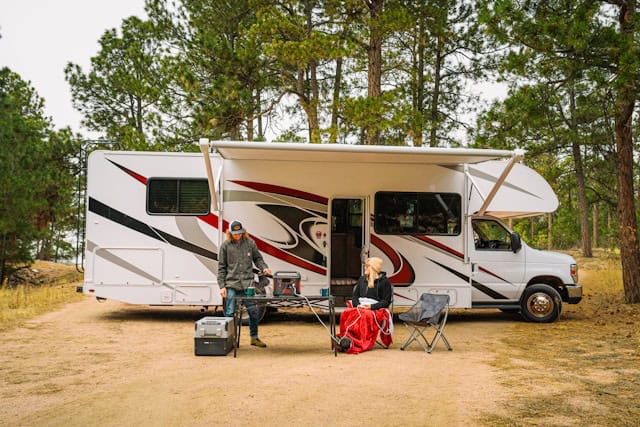
The open road calls with promises of adventure, freedom, and memories you’ll never forget. But sometimes, the thought of all those gas, food, and lodging costs can slam the brakes on your travel dreams. Good news! A fantastic road trip doesn’t have to empty your wallet. With just a few smart moves, you can explore new places, keep your spending in check, and leave financial worries in the rearview mirror.
This guide will share practical, easy-to-use tips for road trip budgeting. That way, you can focus on making memories, not stressing about money.
Cutting Fuel Costs Wisely
Gas is usually the biggest expense on any road trip, but you actually have more control over its cost than you might think. Just small changes in how you drive can save you a lot. Try to accelerate gently and brake smoothly instead of aggressively. On the highway, using cruise control helps keep your speed steady, which is much better for fuel efficiency.
Before you even pull out of the driveway, double-check that your tires are properly inflated to the recommended PSI. Underinflated tires can really hurt your gas mileage. It’s also smart to use an app like GasBuddy to find the cheapest gas stations along your route. Even a few cents per gallon adds up over hundreds of miles! Planning a detailed road trip budget beforehand helps you get a handle on these costs and stick to your budget.
Affordable Food on the Go
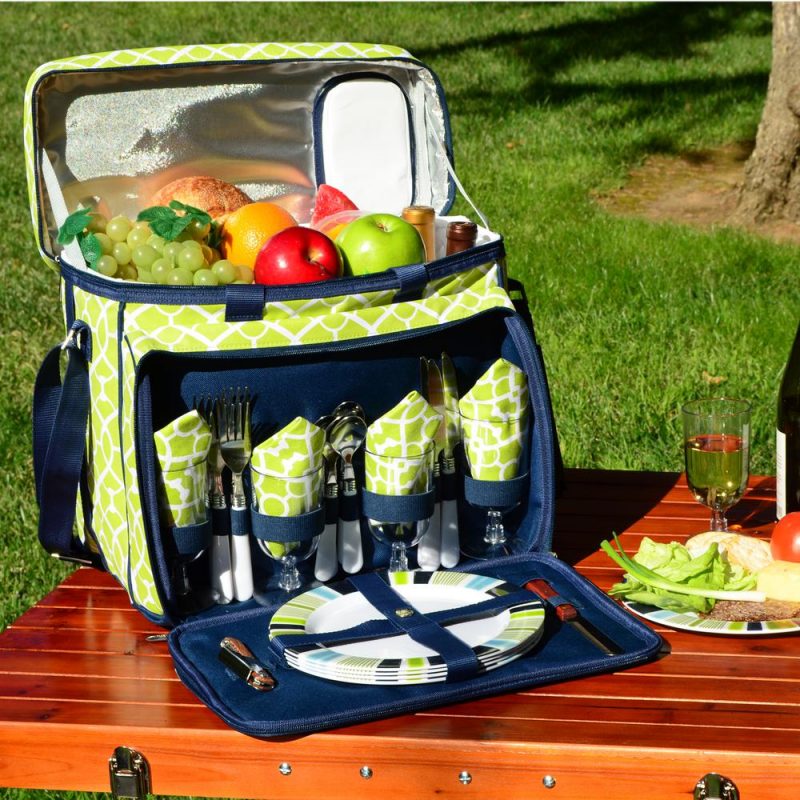
Eating out for every single meal is a sure-fire way to blow through your travel cash. A little bit of preparation can save you a surprising amount. Pack a cooler with drinks, sandwiches, fruit, and other snacks. This not only cuts costs but also saves time since you won’t need to stop for every meal. Look for pretty rest areas or local parks where you can enjoy a picnic.
When you do decide to eat at a restaurant, try to go for lunch. Many places offer lunch specials that are way cheaper than their dinner menus. You can also snag some great deals during happy hour. If your accommodation has a kitchen, definitely use it! A quick trip to a local grocery store for breakfast items or simple dinner ingredients is much more budget-friendly than dining out.
Finding Value in Accommodations
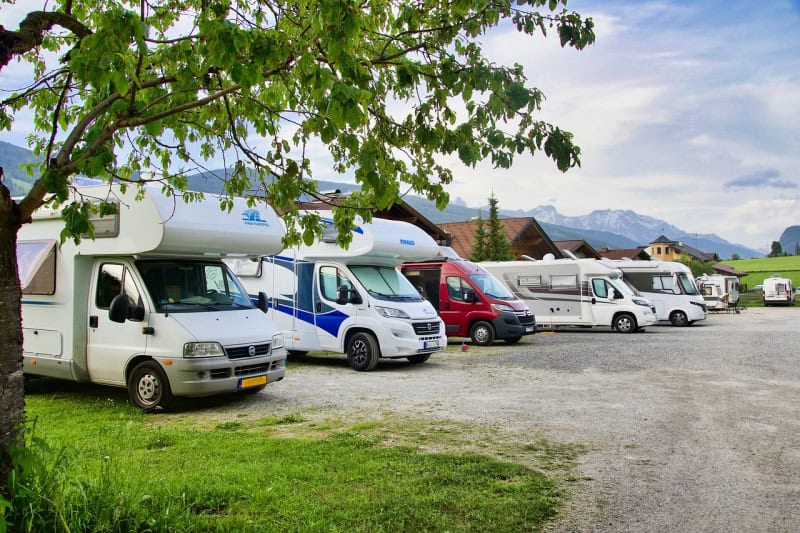
Where you crash for the night makes a huge difference to your budget. Hotels are convenient, but they can get pricey. Looking into other lodging options is key to finding good value. Campgrounds and RV parks offer an affordable and adventurous way to stay, often with amenities that make your trip more comfortable. For example, places like Hot Springs Campground & RV Park give you a clean, quiet spot with facilities, helping you save money while staying near local attractions.
Vacation rentals can also be cost-effective, especially for groups or families, as they often come with kitchens that help you save on food. Don’t forget about budget-friendly hotel chains, but always read recent reviews to make sure they’re clean and safe enough for you. Booking early, especially during off-peak times, can also unlock better rates.
Free or Low-Cost Activities

The best parts of a road trip are often those unexpected discoveries that cost little to nothing. Instead of filling your schedule with expensive tourist traps, seek out free or cheap activities. National and state parks offer incredible scenery, hiking trails, and wildlife viewing for a small entrance fee.
Many towns have free attractions like historical walking tours, public art displays, or lively farmers’ markets. A quick online search for “free things to do in [city name]” can uncover tons of options. Even just taking a scenic drive or stopping at a beautiful viewpoint can become a cherished memory.
Tracking Expenses Effortlessly

A budget only works if you stick to it, and the best way to do that is by tracking your spending. You don’t need anything complicated. A simple notebook or a spreadsheet on your phone can work perfectly. There are also lots of free budgeting apps, like Mint or Goodbudget, that can help you sort your expenses and see exactly where your money is going in real time.
Set a daily spending goal for yourself. At the end of each day, take five minutes to jot down your expenses. This quick check-in helps you stay on track and lets you adjust your spending for the next day if you went over budget. Knowing exactly how much you’ve spent gives you control and helps you avoid that dreaded post-trip credit card bill shock.
With a little planning and these money-saving tips, your dream road trip is totally within reach. The freedom of the open road is an experience everyone should have, and a smart budget makes sure you can enjoy every moment without a worry.