
Stop choosing between “cheap” and “quality.” Master the art of affordable luxury travel and learn how to maximize your travel budget without cutting corners or sacrificing comfort. Travel doesn’t have to mean choosing between having money left over and actually enjoying the trip.
The misconception that budget travel means miserable travel keeps many people from exploring places they could easily afford to visit. The reality is that smart travelers get incredible and affordable luxury travel without blowing through their savings—not because they’re willing to suffer through uncomfortable situations, but because they know where spending matters and where it doesn’t.
Getting the Most Affordable Luxury Travel (Without Sacrificing Quality)
Table of Contents
There is a persistent myth in the travel world that you have to choose between a memorable experience and a healthy bank account. We’ve all seen the two extremes: the “budget” backpacker surviving on instant noodles and 12-bed dorms, and the luxury traveler whose weekend getaway costs more than a mid-sized sedan.
But the most rewarding adventures actually happen in the middle—a space I like to call affordable luxury travel.
It’s the art of knowing where to be “cheap” so you can afford to be “fancy” where it actually matters. Getting the most from your travel budget without sacrificing quality isn’t about cutting corners; it’s about sharpening your strategy to ensure every dollar spent feels like an investment in a better story, not just a smaller bill.
Accommodation: Location Over Luxury
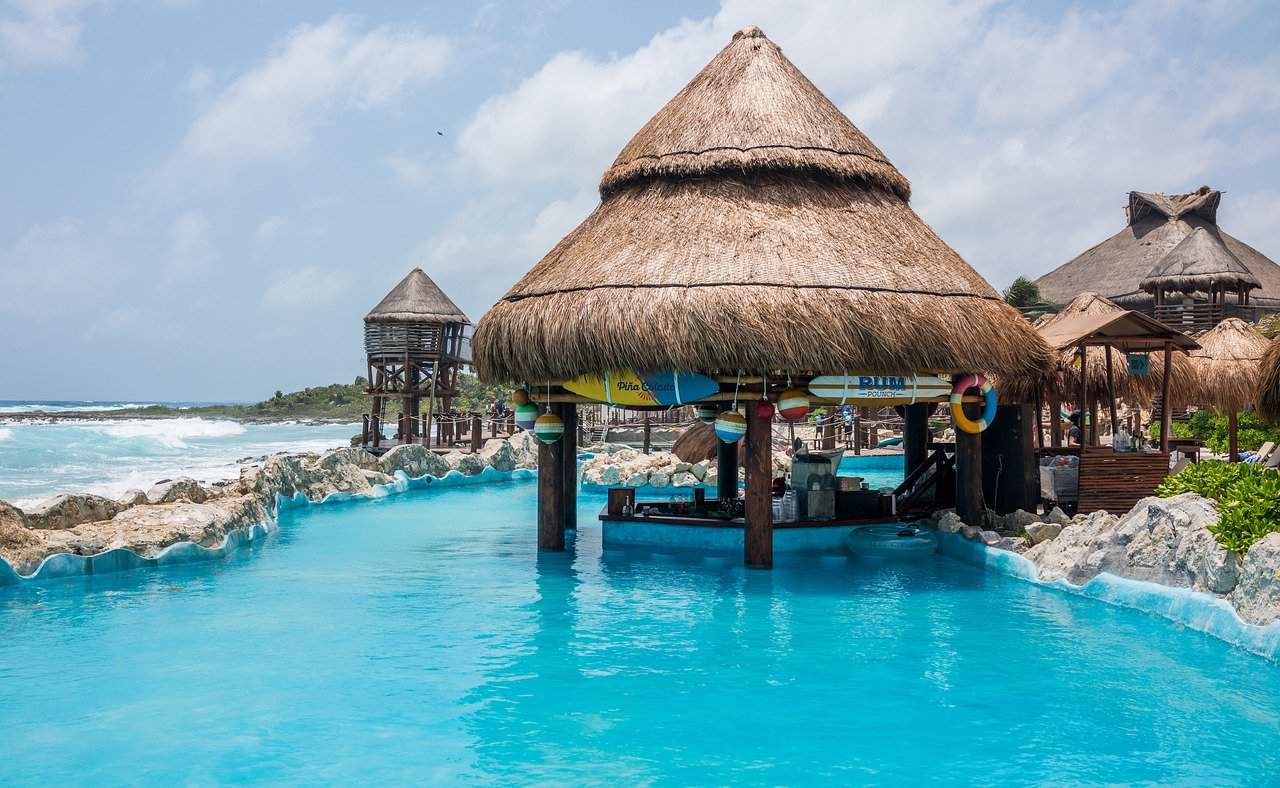
Where people stay is the difference between a good trip and a bad one, but only because it’s in a good location, not necessarily because it’s the Ritz-Carlton. Fancy accommodations mean people are paying for luxury, but as tourists, we spend so little time in hotels anyway. Locations farther away require additional transportation, which consumes time and resources that could otherwise be used for exploration.
Budget accommodations are worth it if they are in prime locations, for getting across town is more valuable than additional luxuries. It’s even better for youth travelers who can find hostels in the same hotspots. Places like the best hostel in Melaka are a perfect option for clean, comfortable stays without paying for high-priced hotels just for their location. Therefore, the money saved can go towards better meals, more activities, or an extended stay.
Additionally, it’s critical to get accommodations that meet clean, safe, and location-oriented criteria without unnecessary luxuries that up costs. Nobody needs an unused pool or a breakfast buffet that no one will eat when great local food is cheaper elsewhere.
Food: Eat Where The Locals Eat

Food is one area where travelers often assume money will be spent fruitlessly, but the reality is that accommodations are rarely as popularized by tourists. However, food sold to tourists—especially near tourist attractions—is grossly overpriced for subpar meals because vendors know most tourists will not return. However, places a few blocks over where locals eat have better food with better prices.
Food markets and street food vendors offer some of the best value for money when traveling. The food there is fresher, often less expensive, and absolutely authentic, and there is always some leeway regarding sanitary conditions, depending on the location. However, not trying local foods in favor of familiar chains or tourist traps means missing out on great meals and saving a lot of money.
It’s acceptable to splurge on 1-2 food options over a traveler’s time there, but only if they’re unique experiences for which they’ve traveled. For example, if an area boasts a specialty meal or flagship restaurant known for its local flavor, even the average traveler would enjoy it as it’s cheaper than spending money on every meal on a regular basis.
Activities: Free Doesn’t Mean Boring
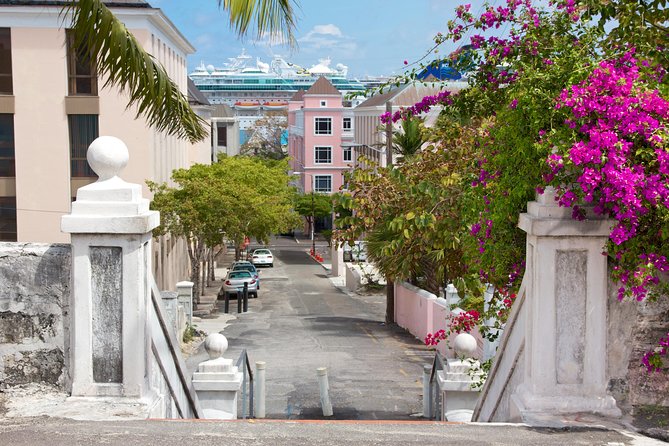
The idea that only paid experiences are the most memorable is wrong. Often, the free aspects of travel are the most notable. Walking through different neighborhoods, wandering through markets, soaking up street performances, and hiking to viewpoints, temples, or free-entry historical sites often provide more cultural experiences than paid tours.
In addition, when tours need to be booked, local companies often offer better pricing than international third-party companies that profit from markups and commissions. People can generally get away with booking entry on the day of at various sites without paying additional airfare in advance.
That said, multiple sites require entry fees, which travelers should feel comfortable paying. A cooking class, a guided tour (especially with someone who works on site), or another interactive experience can be among a trip’s highlights and may not be realized unless one pays. However, the value lies not in paying for such activities, but in assessing which activities offer value and which offer checklists.
Transportation: Time vs Money Trade-Offs

Transportation offers great opportunities to save, but penny-wise pound-foolishness. For example, if a traveler can take a six-hour bus ride instead of transferring via taxi at a twenty-dollar difference, they may be tempted to do so. But if it takes half a day that they could’ve spent at the site, it’s not worth it.
Intra-city travel is always easier and more cost-effective by public transportation than by taxis or ride-sharing services. They’re cheaper and faster during busy times, and locals usually take public transport, so they offer insight into how people get from place to place. If the journey is short enough, walking is even better, it’s free for health benefits and further insights.
Inter-city travel becomes more specific. Paying slightly more to get somewhere faster can make up for the time saved by actually being at a destination; alternatively, if overnight public transport meets accommodation requirements simultaneously, that’s also time well spent.
The Real Secret: To Spend Consciously
Getting value out of a budget does not mean travelers have to be cheap; instead, they must be discerning. Too many travelers waste money on things that barely make a dent in improvement, then cut back where cuts should never occur, and vice versa.
Instead, travelers should assess spending on a case-by-case basis to determine how it affects enjoyment immediately after it occurs. For example, an airport shuttle should almost never cost more than public transport; cuts can be made there since international airports almost all have accessible train stations/mode of transport to take advantage of town access—but shuttles right to hotel doors drive up time as extra expenses.
Travel value comes from making these calls correctly, spending money where it creates genuine enjoyment while avoiding the expenses that don’t add much. That’s how travelers get incredible trips without returning home broke.