
Choosing how to step away from digital noise is a personal manifesto in radical self-care, but the “right” way to disconnect depends entirely on your desired level of travel. Whether you crave the back-to-nature connection of a nylon tent, the consistent comfort of a high-tech RV, or the “hushpitality” of a secluded mountain cabin, each choice offers a unique path to exploring your camping options.
In an era where “Wild Wellness” has become a biological necessity, understanding the trade-offs between gear-heavy exploration and turn-key retreats is the first step toward a successful “Whycation” and “Slow Travel. This guide breaks down your personal camping options to help you move from burnout to wonder, ensuring your time in nature is as restorative as it is adventurous.
Exploring Your Camping Options: Tent, RV, or Cabin?
Table of Contents
Dreaming of a rugged adventure involving hiking, stargazing, and campfires? Staying at a campground is likely to be an essential part of this adventure – but just what style of camping is right for you? There are three main options: tent, RV, and cabin. In this post, we’ll explore the difference between each of them – including their perks and drawbacks – to help you find the right camping setup.
Tent Camping Options
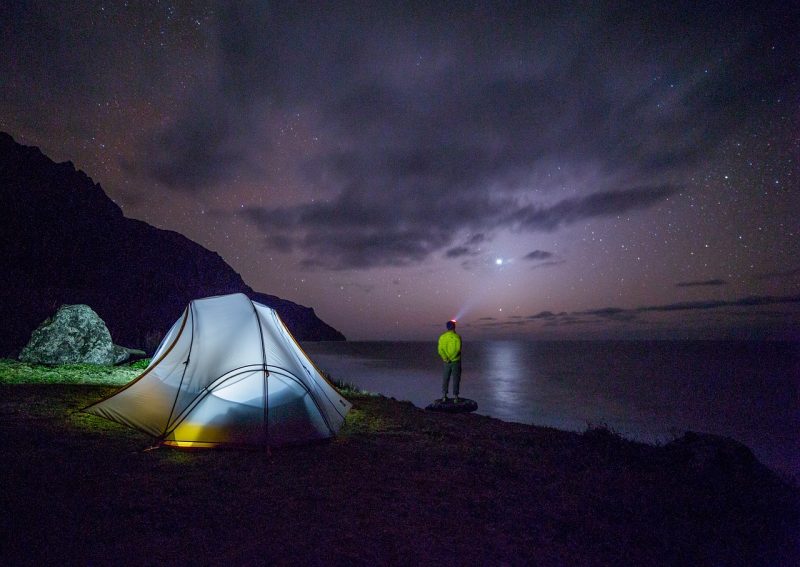
Staying in a tent is what most people visualize when they think of “camping.” Tents are cheap and often the best option for budget travelers. They’re also highly portable, and you can set them up anywhere. You don’t have to stay in a campground and can go ‘wild camping’ instead – pitch up a tent in the middle of a forest or halfway up a mountain away from all civilization.
Tents are also vulnerable to the elements, of course, and offer little to no luxuries. Staying at a campground will provide you access to amenities like toilets, showers, and laundry rooms – but they won’t be immediately accessible.
RV Camping Options
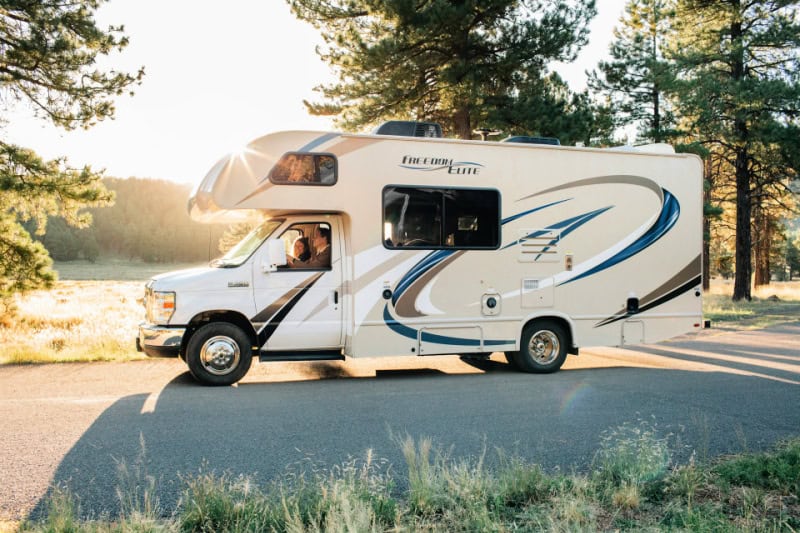
RVs are like vacation homes on wheels. Many RVs have toilets, showers, kitchen facilities, heating, and air conditioning to make them more comfortable. When staying at an RV park, you can use electrical hook-ups to charge up your battery; you technically have the option to park anywhere. They’re excellent road trip vehicles.
Of course, buying an RV costs a lot more than buying a tent. You can hire RVs, but this will still cost you more than traditional camping. There’s also quite a bit of maintenance to consider with RVs, plus running costs like fuel and insurance. Driving them may also be challenging for some people due to their size.
Cabins

Some campgrounds have fixed cabins, which are essentially rustic vacation rentals. Basic ones may not have electricity, but more elaborate cabins can come with luxuries such as plush beds, climate control, kitchenettes, and bathrooms. Some even have hot tubs! They are a good choice for romantic getaways or more relaxed family breaks.
Although often located in remote areas, they may not have the rugged appeal that some true ‘campers’ may look for. They can also vary in cost – popular ones can be quite expensive and will require advance booking. Buying your own cabin may be possible, but it’s a significant investment (renting it out when you’re not there could help cover costs).
Bonus Camping Options: Glamping
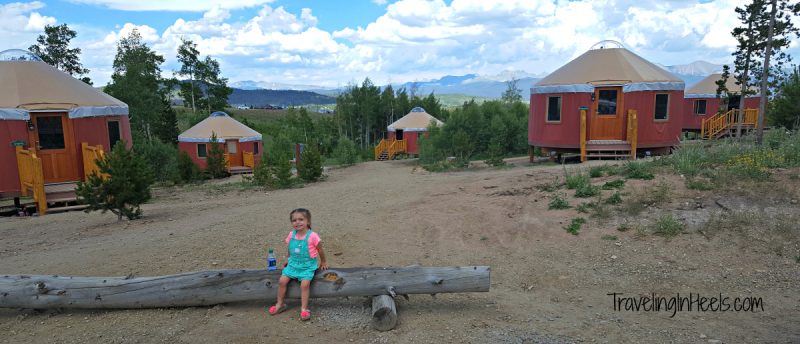
Glamping is a new-ish, sometimes-forgotten extra option. In this case, you stay in a pre-assembled ‘yurt’ – which is essentially a large and luxurious tent, which may contain a bed and potentially even electricity.
Going glamping can provide the natural connection that camping does, while still being in a tent, with some additional home comforts. You will spend more to stay in a yurt than you would for a tent pitch; however, it will likely be less than renting a cabin or hiring an RV. Not all campgrounds offer glamping facilities, so you may be limited in your options.