
We’ve all done it: spent six months meticulously planning a ten-day “dream” vacation, only to return home feeling like we need a second vacation just to recover from the first one. Between the jet lag, the mountain of unread emails, and the sheer logistical exhaustion of being away for a fortnight, the “reset” often evaporates within an hour of being back at your desk. Enter the micro-cations.
These strategic, 48-to-72-hour escapes aren’t just “shorter trips”—they are high-efficiency mental reboots that offer a significantly better return on investment for your sanity than a marathon journey. By prioritizing frequency over duration, you can bypass the burnout and keep your battery charged year-round, without the stress of a massive budget or a week of “out of office” guilt.
Micro-Cations: How a 3-Day Break Rewires Your Brain More Effectively Than a Week Off
Table of Contents
Big vacations sound great in theory. You circle dates months ahead, compare prices endlessly, and try to line up everyone’s schedules. By the time it actually happens, you’re already tired. And because it took so much effort to organise, there’s pressure to make every moment count. Relaxing somehow turns into another thing to manage. You tell yourself it’s worth it because it’s a “proper” trip, even though you only get to do it once or twice a year.
That’s why short weekend getaways, micro-cations, have started to feel like the smarter option. Less build-up. Less stress. More actual enjoyment. Read on for the magic of micro-cations.
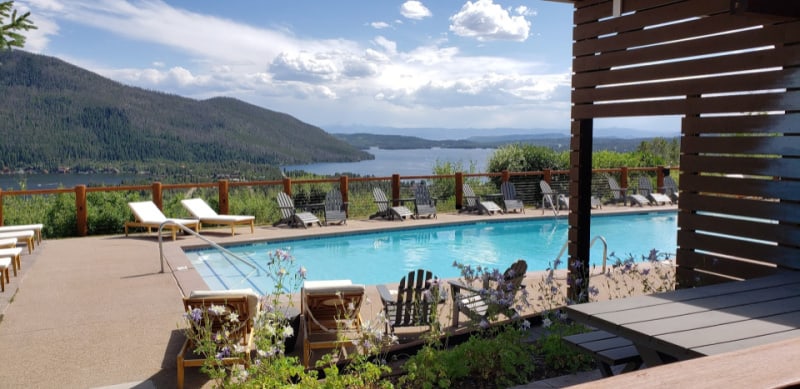
The Magic of Micro-Cations: “72-Hour Window.”
Why do three days often feel more restorative than ten? It comes down to three psychological levers:
-
The Low-Stakes Launch: Minimal packing and no time zone hopping mean you can start relaxing the moment you leave your driveway.
-
The Decision Fatigue Detox: With only 48-72 hours to play with, you’re forced to choose quality over quantity, naturally eliminating the “sightseeing slog.”
-
The “Anticipation” Loop: Because micro-cations are easier to book, you can have four or five “mini-peaks” of joy throughout the year rather than one big one that puts too much pressure on your annual leave.
Big Vacations Ask for Too Much Upfront
Anyone who’s been through the process knows how much work goes into planning a luxury vacation. Flights. Accommodation. Time off work. Coordinating with friends or family. It’s a lot of moving parts, and if one thing goes wrong, the whole trip can feel off.
Because so rare, big trips also carry a weird emotional weight. You don’t want to waste them. That pressure can make it harder to truly unwind. You’re always aware that time is ticking (and money is being spent), which is the opposite of what a break is meant to feel like.

Micro-Cations Fit Into Real Life Much Better
Weekend getaways don’t demand perfection. You don’t need weeks of preparation or detailed itineraries. You can decide on Thursday to leave on Friday. That spontaneity alone feels refreshing.
Because micro-cations are shorter, they’re also easier to repeat. Instead of putting all your rest into one long holiday, you spread it out across the year. A couple of days away every few weeks can do more for your mental reset than one big trip that takes months to recover from.
Easier on your Budget and Energy
Short trips naturally cost less. Fewer nights. Less travel. Less spending overall. That makes them easier to justify without guilt or financial stress. You’re not dipping into savings or convincing yourself it’s a once-in-a-lifetime experience.
Micro-cations are also gentler on your energy. You don’t come back exhausted from traveling long distances or adjusting to new routines. You step away, reset, and return feeling refreshed, rather than needing another break to recover from your break.
Flexible Stays Make Weekends Feel Indulgent

One reason weekend trips work so well is where you stay. Places that offer comfort without rigid schedules let you make the most of limited time. A spacious RV resort, for example, gives you room to relax without the crowds or constant movement of hotels.
You arrive, settle in, and immediately slow down. No rushing. No packed agendas. Just space, quiet, and comfort. That kind of environment makes even two nights feel meaningful.
Resetting Doesn’t Need to Be Complicated
A reset isn’t about ticking off landmarks or cramming in activities. It’s about changing pace. Stepping out of routine. Letting your mind breathe for a bit.
This is usually when people realise that waiting all year for one perfect holiday doesn’t make much sense anymore. Short, simple getaways fit modern life better. They’re easier to plan, easier to afford, and easier to enjoy. And sometimes, a couple of days off is all it takes to feel like yourself again.