
Elk. You probably know it best as a large member of the deer family. They are loud. They are powerful. And they are surprisingly tasty. Learning how to cook elk is much easier than most home cooks think. Less than 20% of people have actually tried elk meat, after all, so the quality and benefits of it aren’t widely known.
Did you know? Elk is extremely lean (roughly 50% less fat than beef), so the golden rule for beginners is low and slow for big cuts, or a quick, high-heat sear to medium-rare for steaks. The bonus is elk has a mild and slightly sweet flavor.
If this is your first attempt at cooking elk, you might need a little help. Some recipes are very complex – not suitable for a beginner at all. You’d best stick to the simple ones, although this doesn’t mean you’ll be forgoing a tasty meal.
How to Cook Elk: 3 Easy Recipes for Beginners
Table of Contents
Cooking elk for the first time is far easier than most beginners realize. High in protein and lower in fat than traditional beef, elk offers a mild, rich flavor with subtle sweet notes and almost zero gamey aftertaste. Because of its lean profile, the key to great elk comes down to simple techniques that preserve its natural tenderness.
Whether you received a gift of wild game or picked up a fresh cut at your local butcher, these three easy recipes will give you the confidence to master cooking elk on your very first try. Keep reading on to learn 3 of the easiest recipes to try as a newbie to elk meat.
1. Smoked Elk Rack with Blueberry Sauce
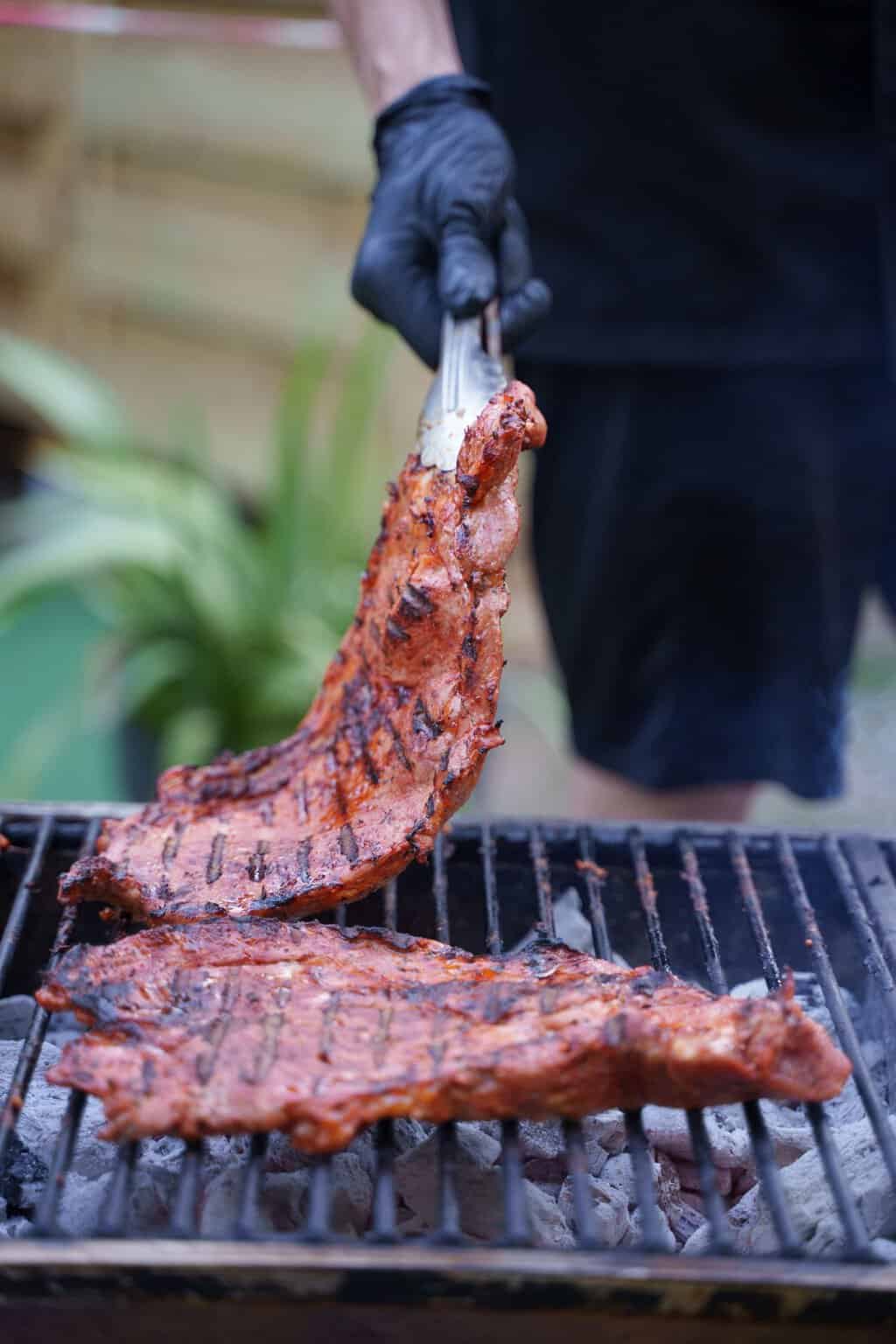
If you’re a fan of a sweet and savory wine reduction, then this smoked elk rack with blueberry sauce is for you. (Click the link below for the full recipe.)
Smoked elk rack with blueberry sauce has a few key ingredients. You should primarily focus on a frenched elk rack, fresh blueberries, and red wine. Of course, you will need olive oil and an all-purpose game rub to ensure it smokes nicely. Your smoker should be preheated to 225°F for this.
For the blueberry sauce for smoked elk, it might be a little more complicated, but still very doable. As well as your blueberries and red wine, you’ll need beef stock, brown sugar, garlic clove, and fresh rosemary. This could be quite therapeutic, especially when it comes to crushing the berries.
2. Cast-Iron Elk Steaks with Garlic & Herb Compound Butter
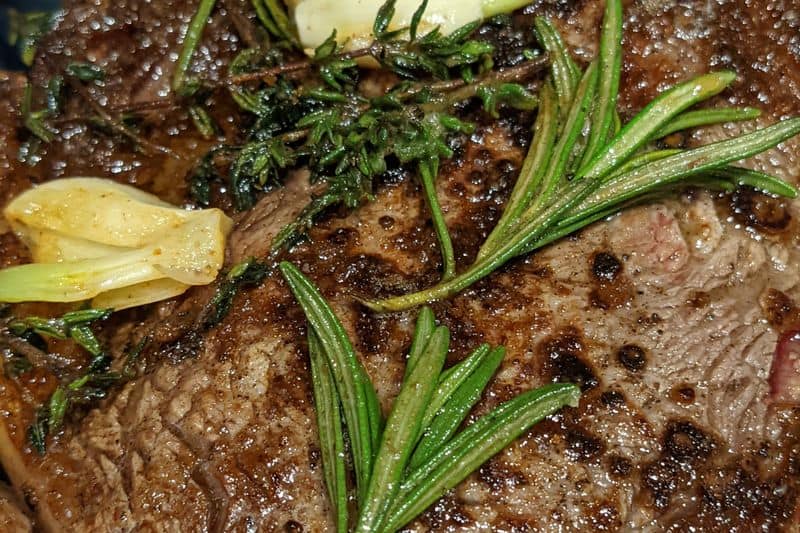
This restaurant-quality meal relies on high heat and continuous basting to coat the ultra-lean steak in rich, aromatic fats. Garlic and herb butter is a crowd-pleaser, and it definitely works when combined with an elk steak.
But the important aspect for this recipe is resting the steak. If an elk steak is cut about one inch thick, then it should be brought to room temperature within 20 minutes. This ensures you have the best result when cooked.
Prep Time: 15 mins | Cook Time: 6–8 mins | Servings: 2
Ingredients
The ingredients are simple here. Elk steaks, olive oil, softened butter, minced garlic clove, and fresh herbs – rosemary and thyme, for example – are the essentials. You’ll use the olive oil with a pinch of course salt and black pepper to create the rub, while the other ingredients – not the steaks, of course – will be used for the herb butter.
For the Steaks:
-
2 Elk Steaks (approx. 1-inch thick)
-
1 tbsp Olive oil
-
1 tsp Coarse Kosher salt
-
1 tsp Coarse black pepper
For the Garlic & Herb Butter:
-
4 tbsp (1/2 stick) Unsalted butter, softened to room temperature
-
2 cloves Garlic, finely minced
-
1 tbsp Fresh rosemary, finely chopped
-
1 tbsp Fresh thyme leaves, finely chopped
-
1 pinch Flaky sea salt
Instructions
-
Make the Herb Butter: In a small bowl, mix the softened butter, minced garlic, chopped rosemary, chopped thyme, and a pinch of flaky salt until combined. Set aside.
-
Bring Steaks to Room Temp: Remove the elk steaks from the fridge 20 to 30 minutes before cooking to take off the chill—this ensures an even cook. Pat them completely dry with paper towels, rub with olive oil, and season heavily with coarse salt and black pepper.
-
Heat the Skillet: Place a heavy cast-iron skillet over high heat until it begins to lightly smoke.
-
Sear & Baste: Lay the steaks into the dry, hot pan. Cook undisturbed for 2 to 3 minutes to build a rich crust, then flip.
-
Add the Butter: Immediately add half of your prepared garlic-herb butter to the skillet. As it melts and foams, tilt the pan slightly toward you and use a large spoon to continuously scoop the hot herb butter over the top of the steaks for another 2 to 3 minutes.
-
Rest & Slice: Remove the steaks as soon as the thickest part reaches 125°F to 130°F for medium-rare. Top each steak with the remaining scoop of compound butter, tent loosely with foil, and let rest for 5–8 minutes. Slice across the grain and serve.
3. Crispy Ground Elk Smash Burgers
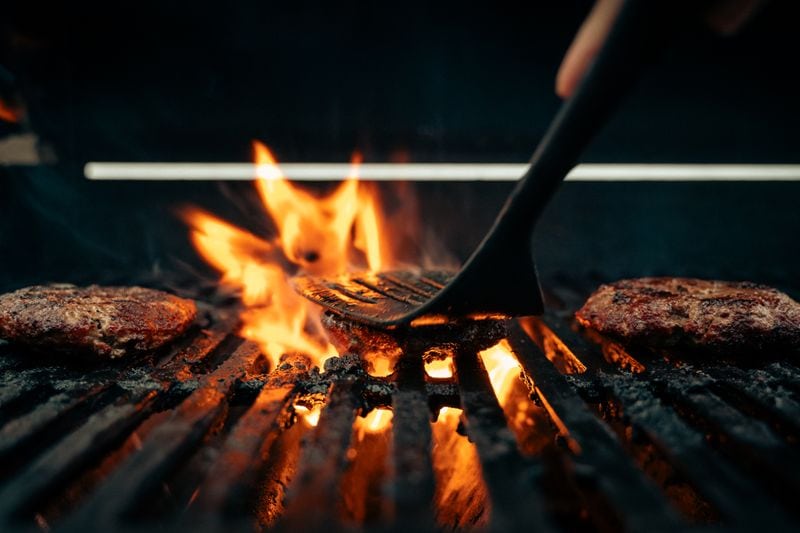
Because ground elk is so lean, smashing thin patties on an ultra-hot surface cooks them fast enough to crisp the edges before the meat can dry out.
For this recipe, you need high heat, fast cooking, and enough fat to keep the lean meat juicy. The best tactic is to roll the ground meat into loose balls before searing. Only then will you smash them hard on the smoking-hot cast-iron to create thin patties and top with melting cheddar cheese.
This is then best paired with brioche buns.
Prep Time: 10 mins | Cook Time: 5 mins | Servings: 2 (makes two double-layer burgers)
Ingredients
-
1 lb Ground elk
-
1 tbsp High-heat cooking oil (avocado, canola, or beef tallow)
-
1 tsp Kosher salt & coarse black pepper
-
4 slices Sharp Cheddar cheese (or American cheese for maximum melt)
-
2 Brioche hamburger buns, split and buttered
-
Your favorite burger fixings: Pickles, sliced onion, burger sauce
Instructions
-
Portion the Meat: Divide the 1 lb of ground elk into four equal loose balls (roughly 1/4 lb each). Do not pack or overwork the meat, as keeping it loose yields a juicier burger.
-
Preheat the Surface: Heat a flat-top griddle or large cast-iron skillet over high heat until smoking hot. Add the 1 tbsp of high-heat oil or tallow to coat the surface.
-
Toast the Buns: Place your buttered brioche buns face-down on the griddle for 30–60 seconds until golden brown. Set aside.
-
Smash Hard: Place two meat balls onto the hot surface, leaving plenty of space between them. Immediately press down as hard as you can using a sturdy metal spatula (or a burger press) pushing down on a piece of parchment paper to prevent sticking. The goal is to make them ultra-thin with lacy, jagged edges.
-
Season & Flip: Season the top of the smashed patties generously with salt and black pepper. Cook for roughly 90 seconds until the edges are dark brown and crispy. Use a sharp metal spatula to scrape under the patty (keeping the crust intact) and flip.
-
Melt Cheese & Assemble: Immediately top each patty with a slice of cheese. Cook for just 30 to 45 seconds more until the cheese melts.
-
Build: Stack two cheese-topped elk patties on each toasted brioche bun, add your toppings, and serve immediately!
If you’re a fan of a sweet and savory wine reduction, then this recipe is the one for you.
Cardinal Rules for Cooking Elk (And Keeping It Juicy)

Because wild elk spend their lives roaming, their meat is remarkably lean—often having less than half the fat of grain-fed beef. Fat acts as an insulator and keeps meat moist, so without it, elk can go from meltingly tender to dry and tough in a matter of seconds.
Keep these three Golden Rules in mind to get perfect results every single time:
-
1. Aim for Medium-Rare (And Stop There): Overcooking is the #1 enemy of lean game meat. Target an internal temperature of 130°F to 135°F for steaks and roasts. Pull the meat off the heat around 125°F, as carryover cooking will push it into the sweet spot while resting.
-
2. Add Fat Deliberately: Since elk lacks natural marbling, introduce healthy fats during cooking. Baste steaks with butter or ghee, brush cuts with high-heat oil (like avocado oil), or use bacon grease when browning ground elk for burgers or chilis.
-
3. Master the Rest: Never cut into elk immediately after cooking. Let steaks rest for 5–8 minutes (and large roasts for 10–15 minutes) under a loose tent of foil. This allows the muscle fibers to relax and reabsorb juices so they stay on your plate, not on the cutting board.
Pro Tip: Always slice cooked elk against the grain. Cutting across the long muscle fibers shortens them, making every bite significantly more tender.
Serving elk could be the best decision you’ve made for your taste buds. If you do want to get started, these three recipes will be a good entry point.