
Are you tired of spending your Fridays staring at a map, wondering if your current ride can actually handle the trail to that remote campsite? Trading pavement for dirt tracks is the ultimate way to recharge, but finding the best adventure vehicles for weekend trips requires balancing capability, comfort, and cargo room. Don’t let the wrong ride hold back your weekend getaways. Discover how to pick the best vehicle for your outdoor lifestyle, from AWD capability to gear space. Whether you need an off-road vehicle for camping or a daily driver adventure rig that easily handles Monday morning commutes, picking the right setup is the first step toward effortless getaways.
From evaluating AWD vs 4WD for camping to ensuring you have enough SUV ground clearance for rocky trailheads, choosing your overland rig doesn’t have to be overwhelming. This guide breaks down how to match the best vehicle for outdoor lifestyle—so you can stop worrying about breakdowns, pack your gear with confidence, and start escaping the city every single weekend.
Escape the City: How to Pick The Best Vehicle for Outdoor Lifestyle
Table of Contents

That feeling of leaving work on a Friday with the car already packed for a weekend adventure is hard to beat. But if your current car struggles to fit your gear or handle the roads you want to explore, it might be time for an upgrade. Choosing a vehicle that truly fits your weekend adventure lifestyle isn’t about picking the biggest or most rugged option on the lot. It’s about finding the perfect match for your specific needs, budget, and destinations. From cargo space to all-weather performance, here’s how to choose the right ride for your adventures.
Assess Your Adventure Style
Before you even start looking at models, take a moment to think about what “adventure” means to you. Your personal adventure travel will be the single biggest factor in determining the right vehicle. Make a list of your typical weekend activities. Think about:
- How many people usually come along?
- The type and amount of gear you bring (skis, kayaks, camping equipment, etc.).
- Where you usually go and what kinds of roads you’ll drive on.
Being honest about how you actually use your car will guide you to a much better choice than just buying a car for a dream you don’t live.
Prioritize Space, Seating, and Cargo
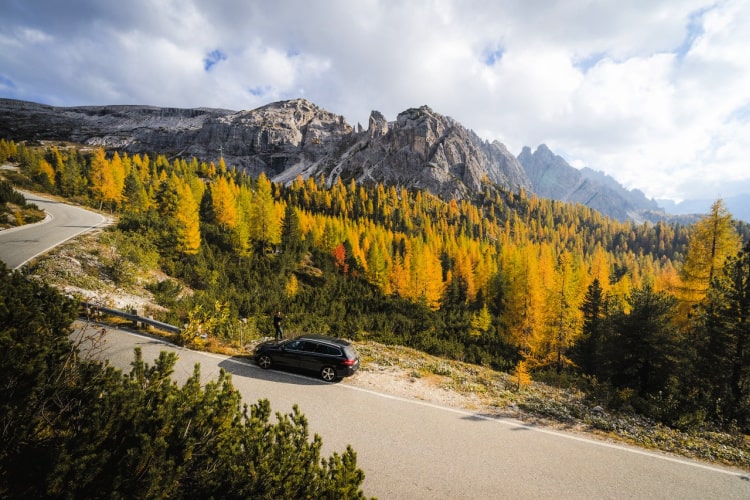
One of the most common reasons to upgrade a vehicle is a lack of space. Trying to cram camping gear into a small sedan or figuring out how to transport a new paddleboard can quickly turn an exciting trip into a frustrating puzzle. If you have a growing family or often travel with friends, a vehicle with a third row can be super helpful. For those with gear-heavy hobbies, look for vehicles with flexible cargo areas, seats that fold completely flat, and a low load floor to make it easier to get heavy items in and out.
Full-size SUVs are popular for a reason; they offer a winning combination of passenger comfort and huge cargo holds. If you’re looking for a large, capable vehicle, start your search for a Ford Expedition for sale to see how much room is really available in that class.
Consider Off-Road and All-Weather Capability
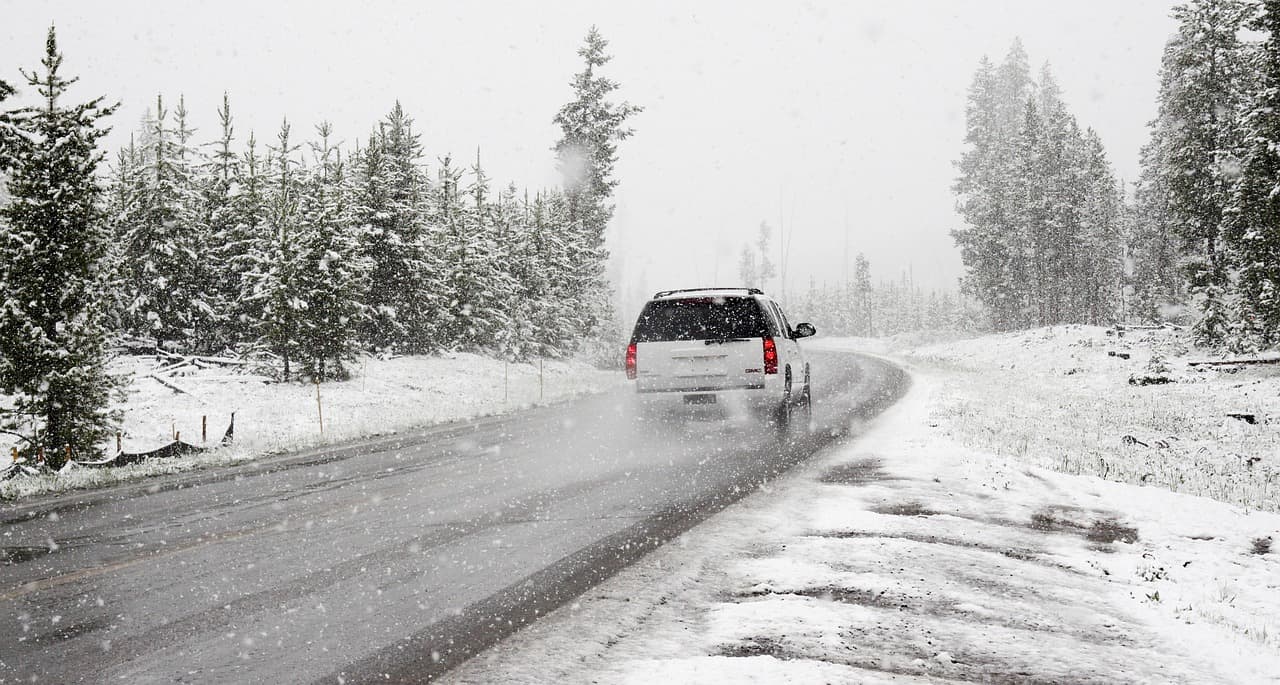
Do your adventures take you off the beaten path? If you’re frequently driving on gravel roads, snowy mountain passes, or unpaved trails to reach a campsite, you’ll want to consider a vehicle’s all-weather and off-road capabilities. This doesn’t mean everyone needs a rock-crawling machine, but features like all-wheel drive (AWD) or four-wheel drive (4WD) can provide crucial traction and safety.
Understanding the key differences between AWD and 4WD is important. AWD is an “always-on” system that is great for handling slick roads and snowy conditions in daily driving. 4WD is typically a more robust system that you can engage for serious off-road situations. Also, pay attention to ground clearance, the distance between the car’s bottom and the ground. Higher ground clearance helps you avoid scraping the undercarriage on rocks and ruts.
Balance Fuel Efficiency with Power
The right adventure vehicle needs a good balance of power and fuel efficiency. If you plan to tow a small trailer or boat, choose an engine with enough horsepower and torque. You’ll also need extra power if you’re carrying lots of gear and passengers or driving on steep roads.
If you take long road trips, better MPG can save you money and reduce the number of fuel stops. Check the manufacturer’s city and highway fuel economy ratings. Many newer vehicles, including hybrids, offer enough power for everyday adventures while using less fuel. A guide to shopping car parts online can also help you understand how different parts may affect your vehicle’s performance.
The best vehicle for outdoor lifestyleis one that fits how you actually travel. Whether you choose a car, truck, or SUV, focus on the features you’ll use most so you can enjoy your adventures for years to come.