
The open road, a custom-built itinerary, and the freedom of having your home on wheels—an RV road trip promises the adventure of a lifetime. However, that romantic vision can quickly turn into a stressful breakdown if you overlook critical steps in the planning process. From miscalculating your budget and booking too few campsites to ignoring the often-overlooked mechanics of your vehicle, even seasoned travelers can make common blunders that derail the fun. Before you turn the key, learn the crucial missteps that can sabotage your vacation, ensuring your first—or next—RV journey is smooth, affordable, and entirely memorable. Read on for the common RV road trip mistakes and how to avoid them.
Common RV Road Trip Mistakes and How to Avoid Them
Table of Contents
There’s something weirdly liberating about planning an RV road trip. You sit with your coffee, pull up a map, maybe stare at a few routes longer than you meant to, and suddenly, packing up your tiny rolling home feels like the only thing that makes sense. But here’s the funny part: even with all that excitement, most RV travelers make the same mistakes, and some of them are so small and predictable you’d swear you wouldn’t fall for them—until you do.
So let’s talk about the things that can quietly trip you up, the stuff people gloss over, and the planning decisions that seem harmless until you’re halfway down a narrow road questioning your life choices. And maybe as we go through this, you’ll recognize a few moments from trips you’ve taken… or almost taken.
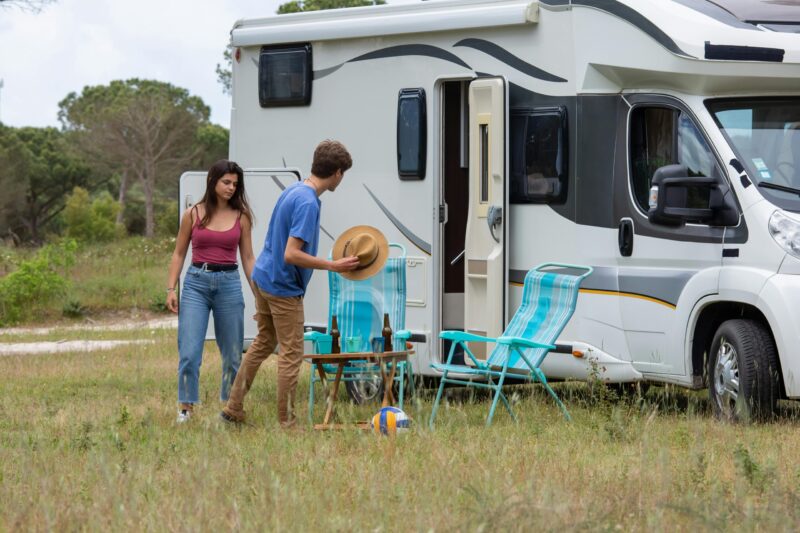
Underestimating How Long the Road Actually Takes
It’s almost universal. You look at your GPS—maybe even look at it twice, like the second glance will change something—and you think, “Yeah, we’ll get there by mid-afternoon.”
But RV life operates on its own time: drive slower, brake slower. Stop more than you planned because something rattles, or someone needs a snack, or you want to stretch your legs after that long, wobbly climb.
Suddenly, a four-hour drive becomes five and a half, and by the time you pull into your spot, the sun is halfway gone, and you’re debating whether to set up first or pour a drink first. It’s not that you planned badly; it’s that RV travel has a way of stretching time out in unexpected ways. So give yourself more time than you think you’ll need. Honestly, the best memories tend to happen when you’re not rushing anyway.
Skipping the RV Check Because “It Was Fine Last Time”
Here’s another big one. A lot of travelers trust their rigs a bit too much. It worked perfectly on the last trip, so nothing could have changed, right? Except RVs are… well, temperamental creatures. Houses shake themselves down the road at 100 km/h. Screws loosen, seals dry out, tires soften, and little things you didn’t notice start to matter.
RV-ers underestimate how many problems can be fixed with a 5-minute walk around. You see a soft tire, a frayed cable, a loose latch on a storage door—tiny things that can cause major headaches on the highway. Even if it feels silly to check something that “should be fine,” you’ll thank yourself when you’re not stuck on the side of a remote road waiting for help that’s still an hour away.
Planning Stops Too Loosely (or Not At All)
Many RV travelers pride themselves on their freedom and spontaneity, especially when choosing the next RV park. And sure, that’s part of the charm—going wherever the day takes you. But even the most easy-going adventures need a tiny bit of structure. Too many people assume they’ll “find a spot” for the night, only to realize the area is fully booked or the one campground they saw on Google Maps closed for renovations three months ago.
You don’t need to plan every detail, but knowing at least two possible overnight options for each day’s route can save you a ton of stress. Think of it less like rigid planning and more like… giving yourself a safety net. It’s still freedom, just with a soft landing.
Overpacking Until Your RV Feels Like a Storage Unit on Wheels

This one sneaks up on people. At first you pack neatly, thoughtfully… and then you remember a few more things you “might need”. Before long your RV starts to feel like a storage unit on wheels. Heavy items get shoved anywhere they’ll fit and suddenly you’re digging through three layers of stuff just to find your jacket.
Overpacking doesn’t just clutter your space it affects weight distribution, fuel efficiency and how smoothly your rig moves. Plus there’s nothing worse than realizing you’ve been hauling around things you never once used. It helps to pack with intention: things you know you’ll reach for, things that serve more than one purpose, things that don’t require a 5 minute excavation every time you need them.
Ignoring RV-Specific Navigation (A Surprisingly Common Mistake)
For some reason many travelers rely on normal GPS apps even though those apps don’t care about the height of your RV or whether the bridge up ahead is a centimeter too low. You’d think this would be an obvious thing to avoid but it’s not. People assume “the app will figure it out”. Spoiler: it won’t.The result? Stressful detours, narrow passes, steep grades that make you whisper a quiet prayer or worst of all—a low bridge you absolutely can’t clear. Using navigation built for RV travel might feel like one more thing to set up but the peace of mind it gives you is worth every second.
Forgetting That Flexibility Is the Real Planning Secret
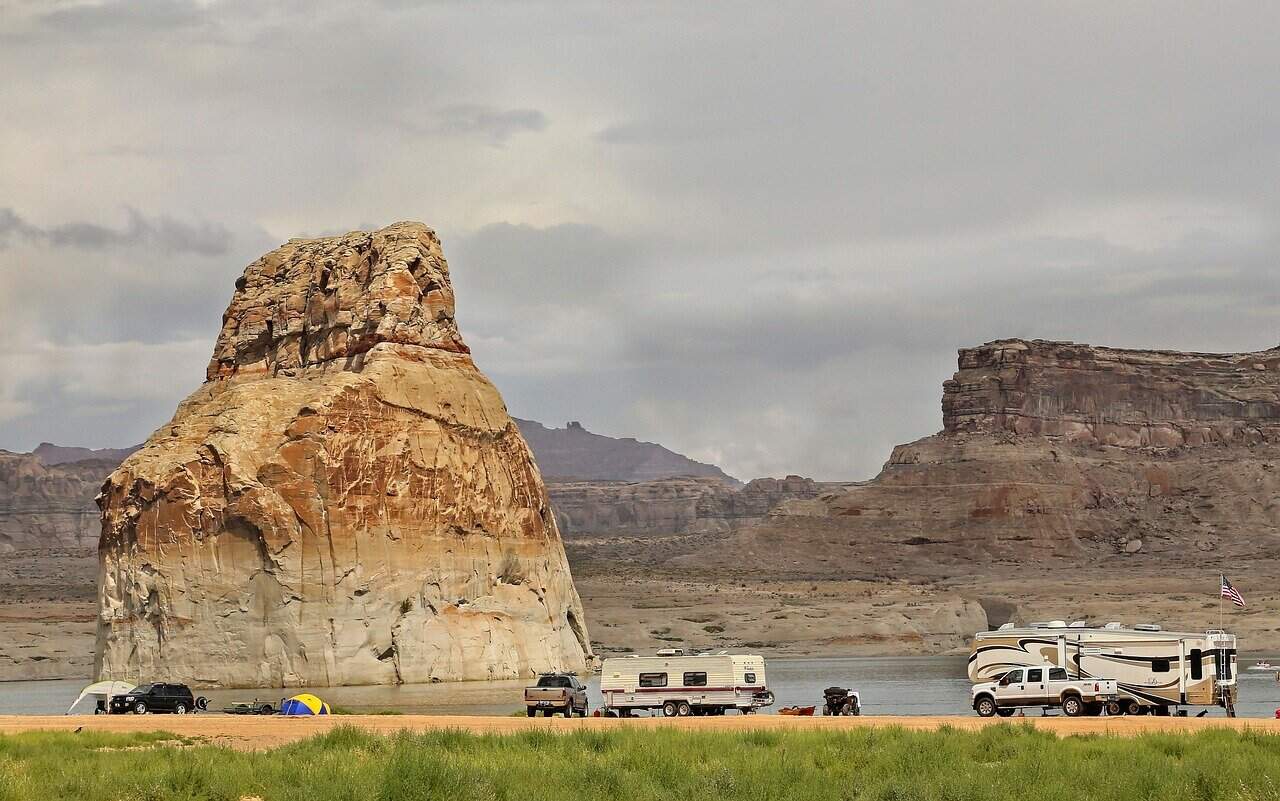
Sometimes the biggest mistake is planning too tightly. RV travel breathes better when you leave space for the unexpected. Weather shifts. Road closures happen. You meet someone interesting at a campsite and end up talking longer than planned. Or you fall in love with a place and decide to stay one more night simply because it feels right.
Flexibility is part of what makes RV life magical. The trick is balancing structure with openness—enough planning to stay safe and comfortable, but not so much that you lose the freedom you came for.
Planning an RV trip is fun, but it comes with a few traps that most people overlook until they’re already in them. With some realistic expectations, a bit of preparation, and a willingness to adapt, your trip becomes something so much better than a mapped out schedule. It becomes a story. A memory. A messy, excellent adventure that feels like your own.