
The global travel landscape continued to undergo profound shifts, moving away from high-volume “destination status” and toward what experts call the “Whycation.” For many, the traditional bucket list—once a frantic race to tick off iconic landmarks—is being replaced by a desire for meaningful travel that prioritizes personal growth and authentic connection over external validation.
Statistics show that nearly 84% of travelers are now planning trips around personal passions and emotional intentions, such as “blue health” escapes to coastal regions or regenerative tourism that leaves a destination better than they found it. By shifting your focus from “where” to “why,” you can bypass the exhaustion of overtourism and transform your next journey into a meaningful travel experience that feels less like an escape from real life and more like a deeper expression of yourself.
Beyond the Bucket List: Shifting Your Focus to More Meaningful Travel
Table of Contents
The transition from a “tourist” to a “traveler” begins with a single, deliberate choice: to prioritize presence over pace. The most meaningful travel is no longer defined by how many miles you cover, but by the depth of the roots you sink into a single region.
Travel is great fun, but you often need to make sure you do all you can to make it as memorable and enjoyable as possible. When successful, you’ll discover that it really makes a world of difference to your personal growth. In this post, we are going to discuss how you can make the most of any trip you go on, wherever it is and whatever you plan to do there. Read our following tips to shift to more meaningful travel.

How to Focus on Meaningful Travel
To achieve this, savvy explorers are adopting the “Anchor & Optionality” framework—booking one major “anchor” experience, like a local cooking class or a guided heritage walk, and leaving the rest of the day for unscheduled wandering.
By choosing walkable neighborhoods and utilizing the “Three-Block Rule” to find family-owned eateries, you bypass the sanitized tourist traps and enter the authentic rhythm of local life. This approach doesn’t just reduce travel fatigue. It creates the “white space” necessary for those spontaneous, unscripted moments that eventually become your favorite stories.
Read More: How to Find Local Things to Do in Any Travel Destination
Watch Your Expectations
Most trips begin long before departure. Expectations form quietly, shaped by photos, recommendations, and the subtle pressure to “do it right.” While anticipation can be energizing, it can also become a trap. When a trip is burdened with rigid expectations, every delay, wrong turn, or rainy afternoon feels like a failure. Making the most of any trip begins with leaving room for reality to be different from what is imagined. Flexibility is not settling; it’s opening the door for surprise.
Pace The Trip
One of the most underrated skills for meaningful travel is pacing. Trying to see everything often means experiencing very little. Although themed event nights and kayaking are both fun, you might not want to do them on the same afternoon. When days are crammed with checkpoints, the trip becomes a task list rather than a lived experience.
Slowing down allows places to reveal themselves in quieter ways. Sitting in a café longer than planned, walking without a destination, or returning to the same spot twice can create a sense of familiarity that rushing never will. A trip remembered for how it felt will always outlast one remembered only for what was checked off.
Pay More Attention
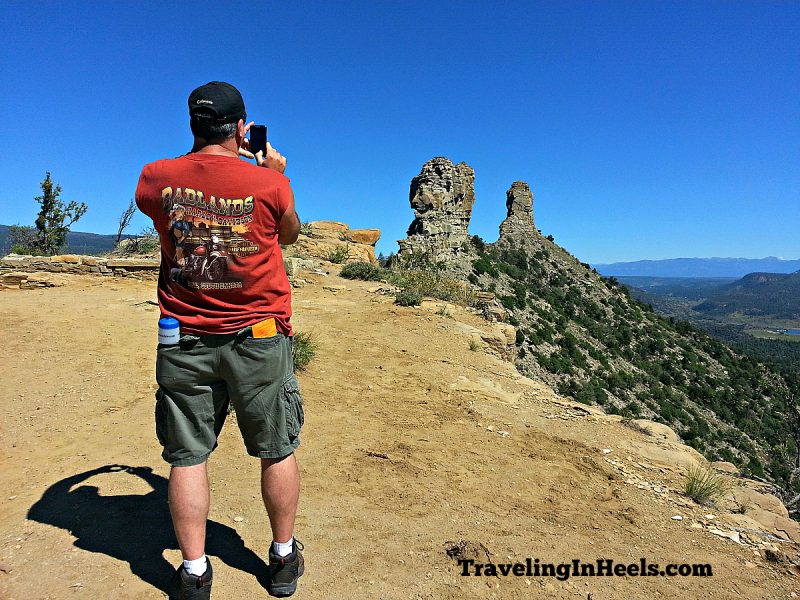
Attention is another deciding factor. It’s easy to move through a place while mentally elsewhere, distracted by messages, photos to post, or comparisons to other trips. Presence changes everything. Noticing small details like the way a city sounds in the morning, how the air smells after rain, or how locals interact with one another grounds you in the moment. These sensory fragments often become the strongest memories, even more than landmarks.
Being Comfortable Means Embracing The Difficulty
Discomfort is unavoidable when traveling, but it doesn’t have to be the enemy. Missed connections, language barriers, unfamiliar food, or getting lost can be frustrating, yet these moments are often where growth happens. They force adaptation, patience, and sometimes humility.
When discomfort is treated as part of the experience rather than a disruption, it loses its power to ruin the trip. In hindsight, the stories that start with something going wrong are usually the ones worth telling.
3 Ways to Deepen Your Meaningful Travel

Ready to move beyond the bucket list? These additional strategies can help you anchor your next trip into meaninful travel:
-
Practice “Grocery Store Tourism”: Instead of only visiting tourist-trap restaurants, explore local markets. Over 31% of travelers now use local food aisles to discover authentic flavors and rituals of daily life.
-
Embrace the “3-3-3 Rule” for Slow Travel: Drive no more than 300 miles, arrive by 3 PM, and stay for at least 3 days. This reduces travel fatigue and allows you to become a “temporary local.”
-
Prioritize Indigenous-Led Experiences: Seek out tours guided by the original stewards of the land. This ensures your travel spend supports cultural preservation and provides a narrative you won’t find in a standard guidebook.