
Taking on 10 days in Peru with kids might sound like a daunting logistical puzzle, but it is easily one of the most rewarding family travel experiences South America has to offer. Beyond the iconic mist-shrouded citadel of Machu Picchu, a Peru family itinerary delivers a sensory wonderland where young travelers can feed roaming llamas in the Sacred Valley, taste sweet chicha morada in bustling local markets, and ride scenic glass-domed trains through Andean mountains. Far from just a destination for seasoned backpackers, Peru welcomes families with open arms, turning ancient history into a living, interactive classroom that captivates children and adults alike.
However, a successful family trip to the Andes requires thoughtful preparation long before you step off the plane. From navigating steep cobbled streets and managing altitude sickness in kids to securing time-sensitive entrance tickets and picking kid-friendly regional dishes, small details can make or break your journey. This guide breaks down everything you need to know before you go—including a proven step-by-step route, acclimatization strategies, safety precautions, and practical packing tips—to ensure your 10-day Peruvian adventure is completely stress-free and unforgettable for the whole family.
Planning a 10-Day Peru and Machu Picchu Trip with Kids
Table of Contents
Yes, 10 days in Peru with kids gives a family enough time to see Lima, the Sacred Valley, Machu Picchu, and Cusco without changing hotels every night. The planning work is mostly about altitude and pacing. Cusco sits at 11,150 feet, and children often feel the elevation more sharply than adults do, which affects the order of the days as much as their content. What follows sets out a workable ten-day sequence, with the booking deadlines, altitude precautions, and site choices that matter at each stage.
Days 1 and 2: Lima
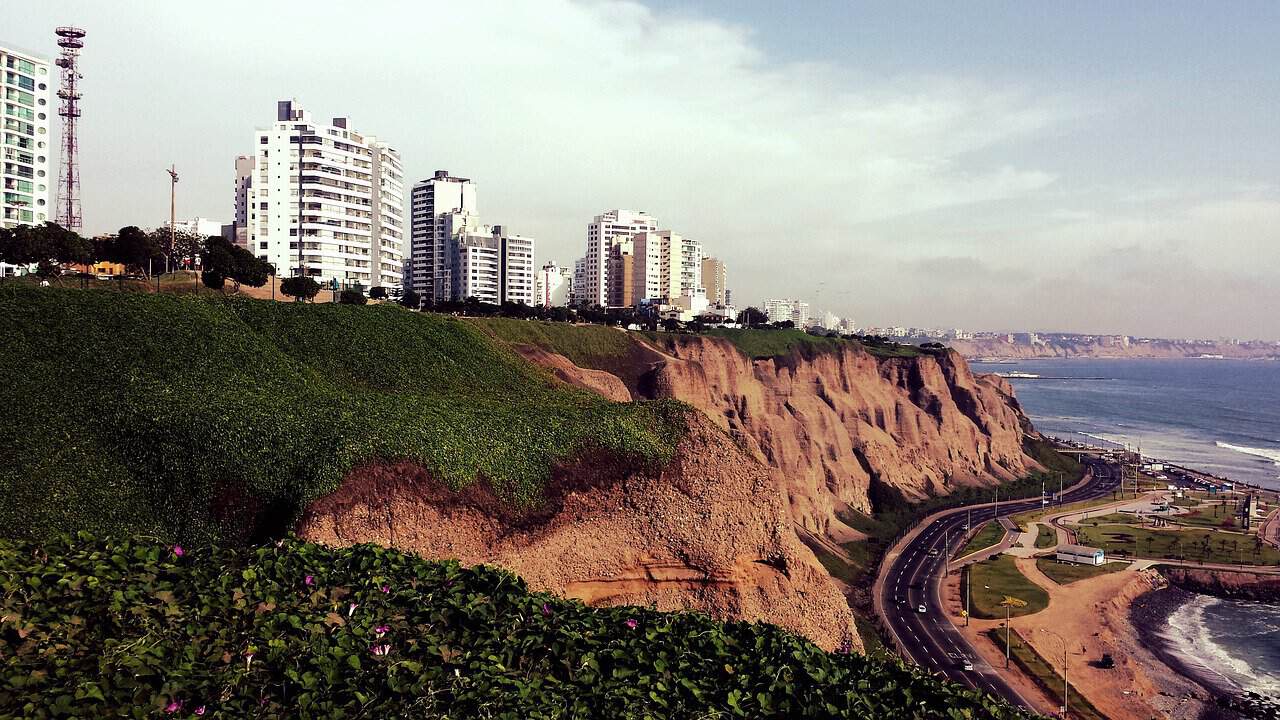
Landing in Lima at sea level gives everyone a night or two to recover from a long flight before altitude enters the picture. Most international arrivals land late in the evening, so treat day one as a rest day and plan nothing beyond dinner.
Miraflores and Barranco are the two districts families usually stay in, both coastal, walkable, and safe to move around in the evening. Day two suits the Parque del Amor clifftops, the Circuito Mágico del Agua fountain park, and an early dinner. The Larco Museum works with older children and takes about 90 minutes. Younger ones will get more out of the coastline.
Book the internal flight to Cusco for the following morning rather than the afternoon. Cusco weather deteriorates later in the day, and afternoon cancellations are common, which is the sort of disruption that costs a family a full day of a ten-day trip.
Day 3: Cusco Airport and Transfer to the Sacred Valley
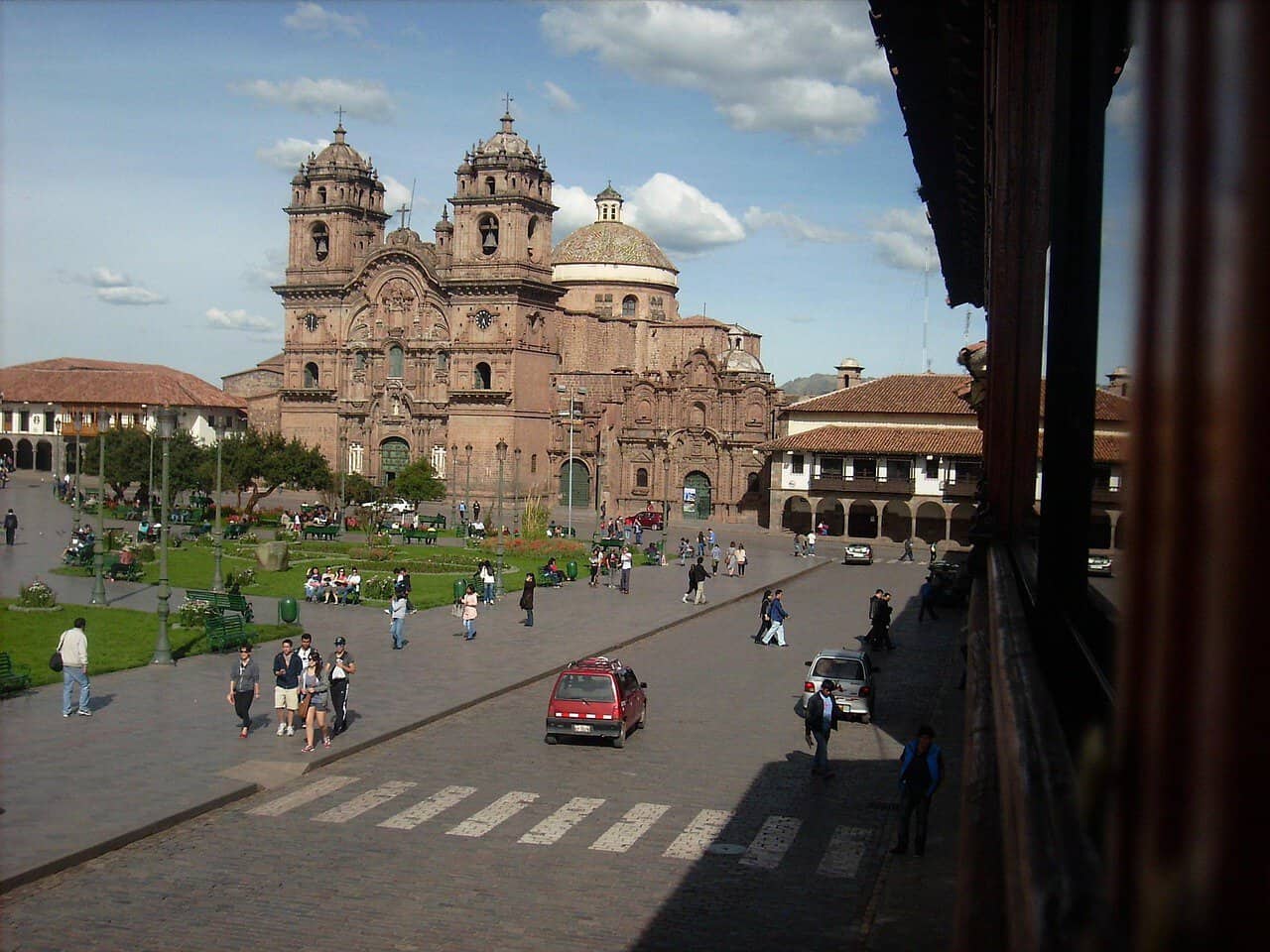
The flight from Lima to Cusco takes around 1 hour 20 minutes. The instinct on arrival is to stay in Cusco, but transferring straight down to the Sacred Valley is the better call with children. Urubamba sits at roughly 9,400 feet and Ollantaytambo at 9,160 feet, both around 1,700 to 2,000 feet lower than Cusco, and sleeping lower for the first few nights makes the adjustment easier.
The transfer takes about 90 minutes by road. Plan for nothing else that day beyond a slow lunch and time at the hotel. Families who want the sequencing, permits, and transfers handled as one arrangement will find Peru family vacation packages from Machu Travel Peru are built around this kind of pacing, with an English-speaking trip designer setting the days to suit your children’s ages. Peru group tours tend to run the standard route in the standard order, so families needing a slower start usually look at private Peru tours instead.
Watch for altitude symptoms from this point on. Younger children often will not describe how they feel accurately, so look for irritability, poor appetite, disturbed sleep, and headache. Coca tea is offered everywhere and is fine for adults, though it is not usually given to young children. Speak to your pediatrician before departure about acetazolamide, which carries specific pediatric considerations.
Days 4 and 5: The Sacred Valley
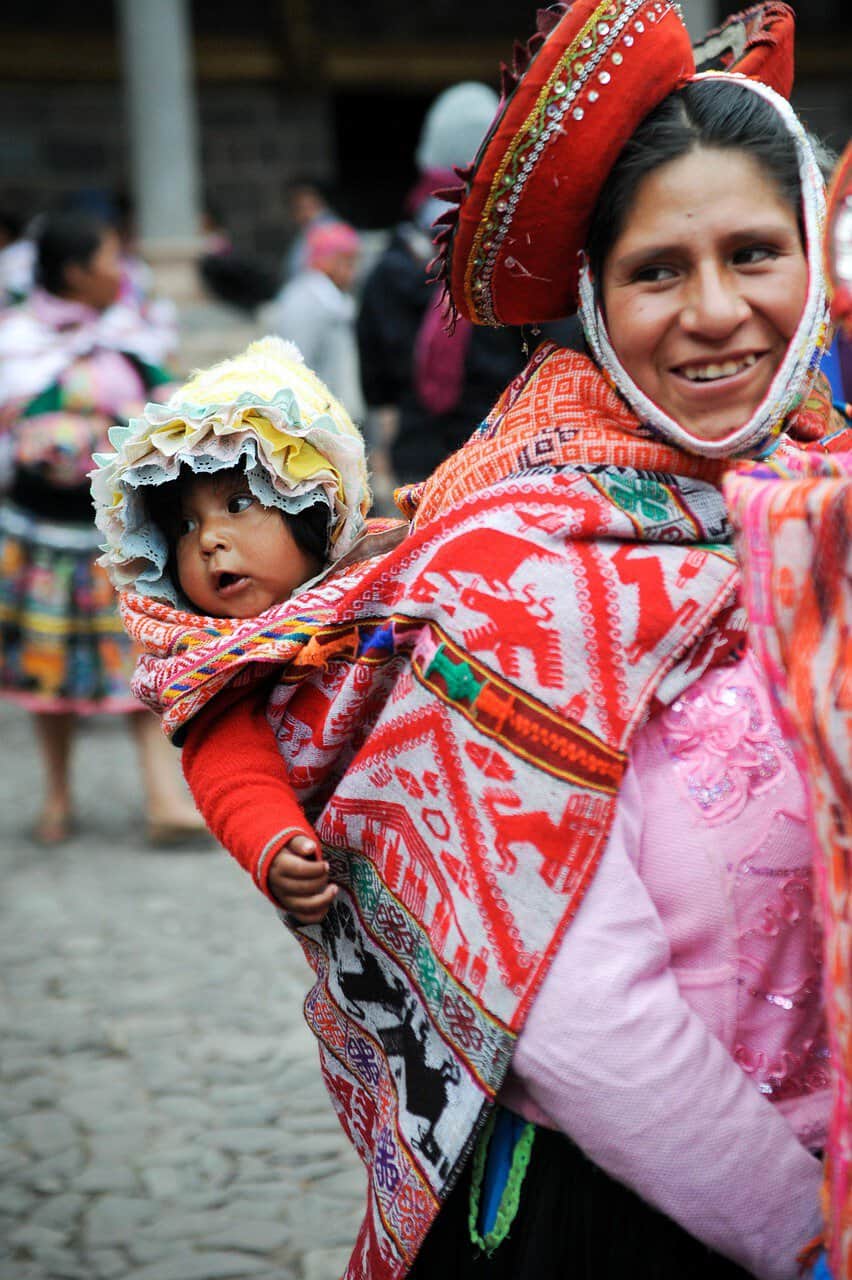
Two full days in the valley cover the acclimatization period and the sites that work best with children, without long drives between them.
Day 4
Maras and Moray hold attention well, since the salt pans and the circular agricultural terraces are unusual enough to interest a child without much explanation. The pair takes half a day including transfers. Return to the hotel by mid-afternoon.
Day 5
Ollantaytambo is a working Inca town with a straightforward grid of streets, and the terraces above it can be enjoyed from the lower levels without the full climb to the top. Pisac market is worth an hour rather than a morning. The animal sanctuary at Cochahuasi nearby is a reliable afternoon with younger children. Pick two of the three, not all of them.
Day 6: Train to Aguas Calientes
Trains from Ollantaytambo to Aguas Calientes, the town below Machu Picchu, take around 1 hour 40 minutes. PeruRail and IncaRail both run the route, and services sell out in high season, so book six to eight weeks ahead. Anyone comparing Machu Picchu tour packages will notice train class is where prices diverge most, since entry and bus costs barely change between them.
Staying overnight in Aguas Calientes rather than day-tripping from Cusco is what makes the following morning manageable with children. It removes a 4am start and a four-hour round trip from the day they most need energy for.
Day 7: Machu Picchu
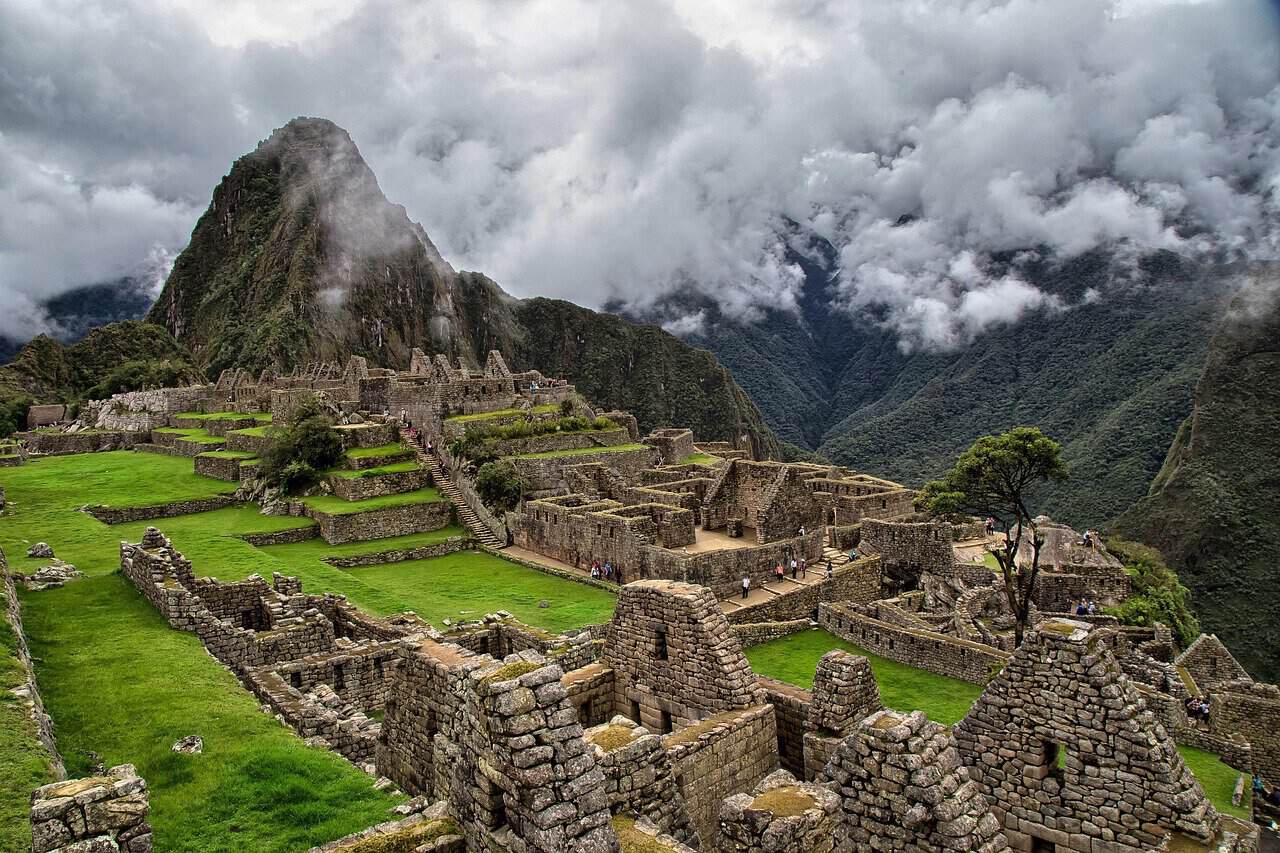
Entry is timed and capped, and tickets are sold by circuit rather than as general admission. Circuit 2 covers the upper terraces and the classic viewpoint, and is the one most families want. Circuit 3 runs lower through the site with less climbing. Huayna Picchu and Machu Picchu Mountain are separate add-on climbs with their own permits, and Huayna Picchu has a minimum age of 12. Book two to three months ahead for June to August, and at least a month outside peak season.
An entry slot after 10am works better with children than the first buses at 5.30am. Buses from town to the entrance cost around $24 return per adult and take 25 minutes. The walk up takes 60 to 90 minutes and is steep. Bathrooms are outside the entrance only, and re-entry is restricted, so plan around that before going in. Allow two to three hours inside at a slow pace.
Return by afternoon train to Ollantaytambo, then transfer on to Cusco.
Days 8 and 9: Cusco
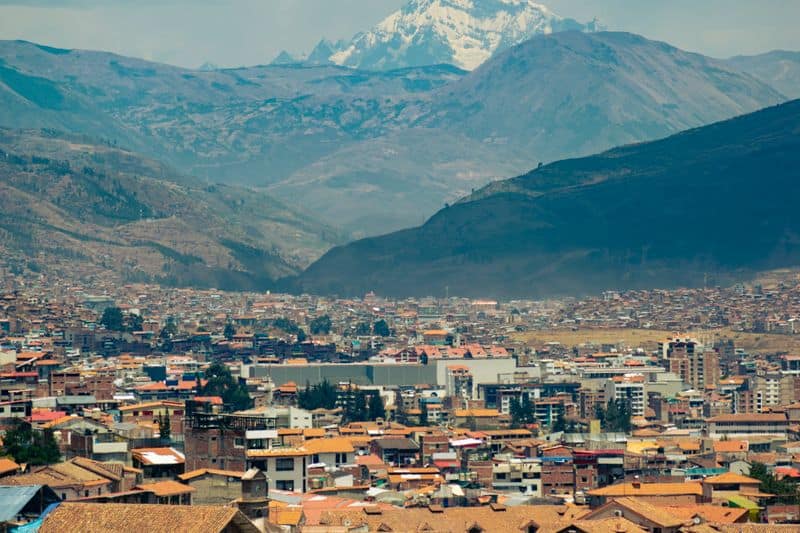
Arriving in Cusco on day eight rather than day three means the family reaches 11,150 feet already adjusted, which is the main argument for running the itinerary in this order.
The San Blas district, the Qorikancha temple site, and the Plaza de Armas cover a comfortable morning. The cathedral and museum circuit rarely holds children for long, so pick one and leave the rest. The full Rainbow Mountain day trip involves an early start, a long drive, and a walk above 16,000 feet, which is too much for most children under 12.
Leave day nine open. Peru tour packages built for families should carry at least two unscheduled days, and this is the natural place for the second one.
Day 10: Departure
Flights from Cusco back to Lima should again be booked for the morning, allowing a comfortable connection to an evening international departure. Confirm the connection window is at least four hours, since Cusco delays are frequent enough to plan around.
A final note on timing across the whole trip: Peru tours in the wet season, November to March, see afternoon rain and occasional train disruption, though sites are quieter. Peru travel deals appear most often in April, May, and October, when prices drop, and conditions are still reasonable.
Booking Your 10-Day Family Trip
Fix the Machu Picchu date first and build the other nine days around it, since everything else can be moved and that cannot. Check your children’s ages against the circuit and climb restrictions, match flight timings to your entry slot, and be realistic about how much your family will enjoy in a single day. Peru travel packages planned at this pace hold up far better than ambitious ones.