
If you want to experience Sydney like a local, you have to leave the overcrowded tourist hubs behind and embrace the rhythm of the city’s quietest escapes. While iconic spots like Bondi Beach and the Harbour Bridge draw massive crowds, locals know that Sydney’s true magic lies hidden in its pristine national parks, secluded harbour coves, and peaceful northern headlands. This guide reveals how to bypass the tourist traps, navigate the city’s best-kept coastal trails, and uncover a side of Sydney most visitors never get to see.
How to Experience Sydney Like a Local: A Comprehensive Guide to the City’s Quietest Escapes
Table of Contents
Sydney’s quiet spots aren’t secrets. They are simply inconvenient enough that most visitors never bother reaching them, which is precisely why they remain serene. If you want to experience the city the way locals do, the secret isn’t discovering secret spots—it’s changing your rhythm, your direction, and how you travel.
Explore More: 7 Things to Do in Cairnes, Australia
Why Bondi Feels Like a Tourist Trap (and the Northern Beaches Don’t)
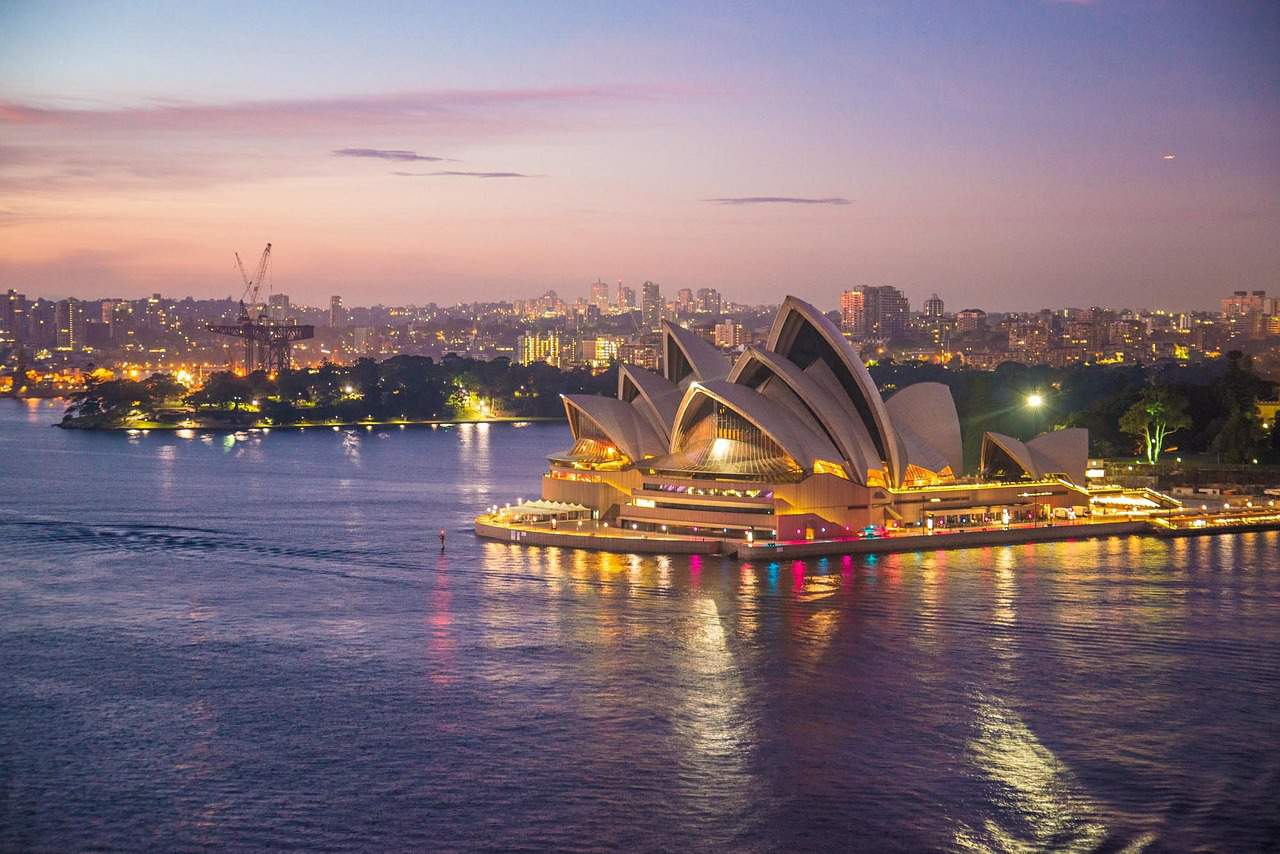
On a Saturday mid-morning on Bondi’s Campbell Parade, tourist buses park three deep, coffee queues stretch ten minutes out the door, and finding a patch of sand larger than a beach towel feels like a victory. Bondi is for postcards and advertisements, and Bondi is the easy answer to the question, “What should I see in Sydney?”
Locals joke that nobody who lives in Bondi actually goes to Bondi Beach on a sunny day because the traffic makes it faster to drive to Maroubra. But in truth, locals don’t need to brave the crowds—they’ve already seen Australia’s most famous stretch of sand, and they know where to find better options.
This isn’t Bondi’s fault; it’s simply the reality of having a world-famous beach so close to a major metropolis. While international travel guides push crowds toward the Eastern Suburbs, locals head north. When Bondi turns into a maze of backpacks and surfboards, coastal residents are already escaping to quieter shores.
Ku-ring-gai Chase National Park: Sydney’s Ultimate Bush Escape
If you need proof of Sydney’s wilder, quieter side, head to Ku-ring-gai Chase National Park. Located just 40 minutes north of the Sydney CBD, this protected wilderness has been preserved since 1894—second only to Royal National Park in age. Spanning 15,000 hectares of pristine bushland, sandstone ridges, and waterways, it flanks the city’s northernmost suburbs and meets the ocean at Broken Bay.
Most visitors are surprised to learn that a national park larger than Manhattan sits on the city’s edge. Drive into Ku-ring-gai and the city instantly fades away.
While development borders the park—from the M1 motorway to the waterfront mansions of Pittwater—standing inside Ku-ring-gai offers sweeping views of uninterrupted bushland stretching to the saltwater horizon. Look up at the looming sandstone cliffs, and you’ll find the native bushland continues over them, too.
Water-Access Trick to Bypass the Crowds
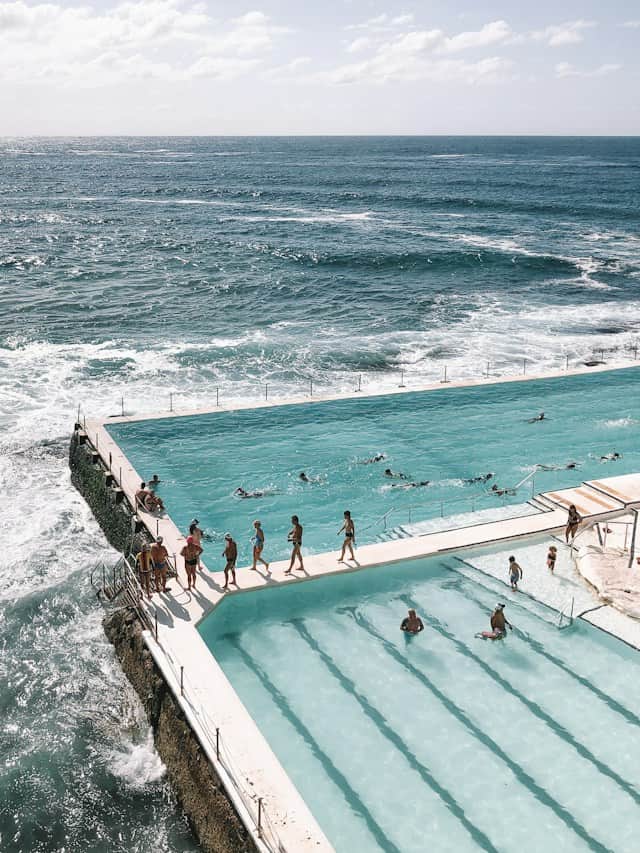
The biggest mistake visitors make when exploring Ku-ring-gai Chase is arriving entirely by car.
Parking along West Head Road is notoriously limited. On warm weekends, drivers circle frantically, park precariously on dirt verges, or risk parking fines just to reach popular trailheads like Warrah Trig.
The smarter move? Skip the congested roads and arrive via Pittwater.
Pittwater is a drowned river valley that forms the heart of Northern Beaches life—a hub for weekend sailing, kayaking, and timber ferries connecting roadless coastal hamlets. Spots like The Basin and Mackerel Beach are accessible only by boat or ferry. The Basin’s campground fills with local families year after year simply because reaching it requires just enough effort to deter casual crowds.
This principle applies across Sydney’s Northern Beaches: isolation protects a place far better than any sign or council regulation. Store Beach, Resolute Beach, and Reef Beach follow the same rule. With no direct road access, you can only reach them by kayak, private boat, or a steep bush track. If a Sydney beach remains empty on a 30-degree summer day, its difficulty of access is almost always the reason.
Ancient Aboriginal Rock Art at West Head
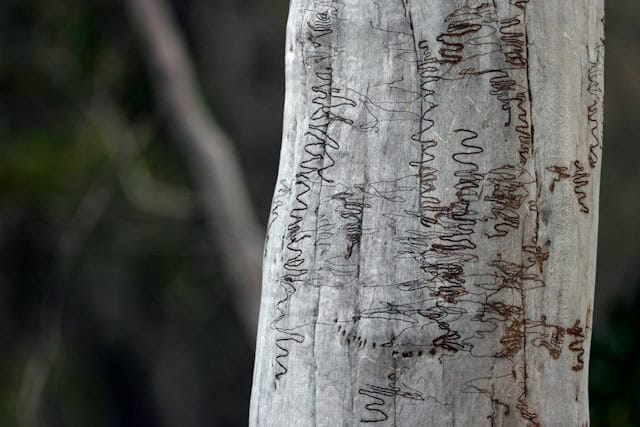
While most Sydney travel itineraries focus on modern landmarks like the Sydney Opera House and Harbour Bridge, Ku-ring-gai Chase offers something ancient: Aboriginal rock engravings created by the Guringai people, some dating back over 2,000 years.
The Whale, Grandfather, and Wallaby engravings—among the most significant in the region—are easily reached via a short side trail along the West Head Lookout Trail. etched into flat sandstone platforms, these historic carvings offer sweeping views across Pittwater and Broken Bay.
There are no velvet ropes, perspex boxes, or gift shops here. The rock art remains exposed to the elements, exactly as it was thousands of years ago. Yet surprisingly few tourists ever see it. Because these platforms can be easy to miss, experience Sydney’s wonders tours with AEA Luxury Tours in New South Wales with a knowledgeable local guide ensures you navigate the side trails smoothly and learn the rich cultural history behind them.
Walking Like a Local: The Spit Bridge to Manly Walk
For Sydney residents, coastal walking is practically a weekend ritual. While tourists flock to the crowded Bondi to Coogee Walk, locals head north to the Spit Bridge to Manly Walk.
This 10-kilometer coastal trail weaves through Sydney Harbour National Park, past quiet harborside beaches, native bushland, and dramatic sandstone cliffs. It offers the same iconic harbour views as eastern tracks, but without the shoulder-to-shoulder crowds. Locals use it for morning jogs, dog walks, and quick swims at secluded spots like Clontarf Beach or Forty Baskets.
Free Whale Watching Off the Headlands
From May to November, thousands of humpback whales migrate along the Sydney coastline. While many tourists pay for expensive boat cruises, locals know the headlands offer front-row seats for free.
Barrenjoey Headland in Palm Beach is one of the best land-based whale-watching spots in New South Wales. A short walk up to the historic lighthouse offers expansive ocean views where you can regularly spot breaching whales and tail slaps out past the point. Visiting during winter and spring also means cooler hiking weather and far fewer beach crowds.
Where Locals Eat and Drink on the Northern Beaches
A trip north isn’t complete without experiencing the local dining scene away from tourist hubs:
-
The Newport: A massive waterfront pub on Pittwater famous for afternoon drinks, wood-fired pizza, and relaxed Sunday sessions beneath the trees.
-
The Boathouse Palm Beach: Perfect for a waterside breakfast or fresh seafood accompanied by a glass of rosé right on the wharf.
-
Manly Farmers Market: Held on weekends, this market is ideal for grabbing a fresh flat white coffee, perusing artisanal pastries, and sampling regional produce.
These aren’t secret insider locations; they are simply where Sydney residents actually spend their weekends.
How to Handle the Logistics
Exploring Sydney’s quiet side requires a bit of planning. Ferry schedules to secluded beaches can be infrequent, parking at national park trailheads is tight, and access to certain coves depends on high and low tides.
For travelers with limited time, coordinating buses, ferries, and parking can turn a relaxing day trip into a logistical puzzle. Opting for a private guided tour or charter eliminates the stress. Having an experienced guide handle the navigation, timetables, and park permits allows you to spend your day exploring West Head or stepping off a boat at The Basin rather than staring at transit apps on your phone.
Summary: Go North, Go Early, Go by Water
The rule for exploring Sydney like a local is simple: the easier a destination is to reach, the busier it will be.
Ready to experience Sydney beyond the standard tourist trail? Head north of the harbour, start your day early, and travel by water whenever possible. Disover the hidden side of Sydney waiting off the beaten path.