
A sudden shudder, a strange noise, or a fresh dashboard light can instantly derail a great trip. When you are miles from home in unfamiliar territory, vehicle trouble feels especially jarring—but knowing exactly how to react keeps a minor setback from becoming a safety hazard. Here is your step-by-step guide to road trip breakdowns and getting back on your journey.
Guide to Road Trip Breakdowns
Table of Contents
When hundreds of miles from home, nothing derails the excitement of a road trip faster than a sudden vehicle failure. A sudden shudder through the steering wheel, an alarming engine clatter, or a glowing dashboard warning light can instantly transform an easy highway drive into a high-stress situation. Dealing with a breakdown in unfamiliar territory is every traveler’s nightmare, but knowing how to manage the crisis with a clear plan is the key to protecting your safety, your passengers, and your vacation.
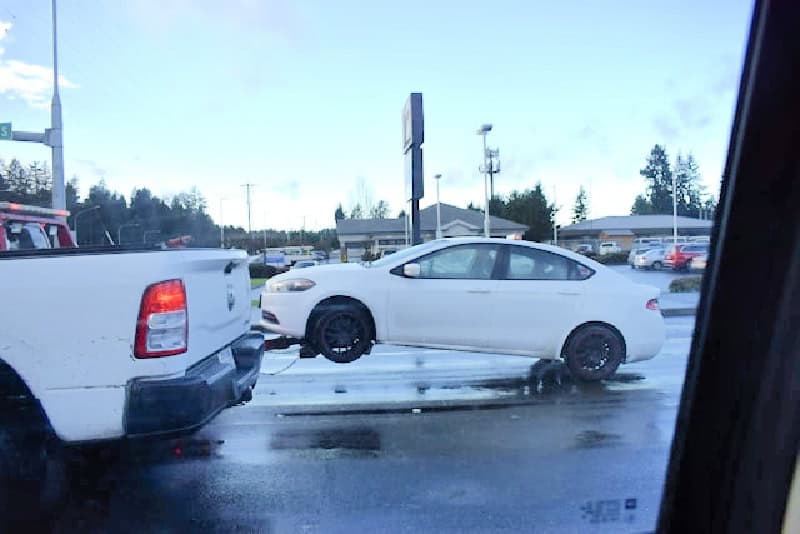
The initial moments following a mechanical problem are critical, and making smart, calm decisions on the shoulder of a busy highway makes all the difference. Whether you’re dealing with a flat tire on a remote mountain pass or an overheating engine on an interstate, taking systematic steps helps you stay out of harm’s way while getting professional help dispatched quickly. This guide breaks down essential roadside safety strategies, from pulling over safely to communicating your location effectively, so you can handle unexpected vehicle trouble with confidence and get back on the road.
READ MORE: Tips for Planning Your First Road Trip
Step 1: Pull Over Safely
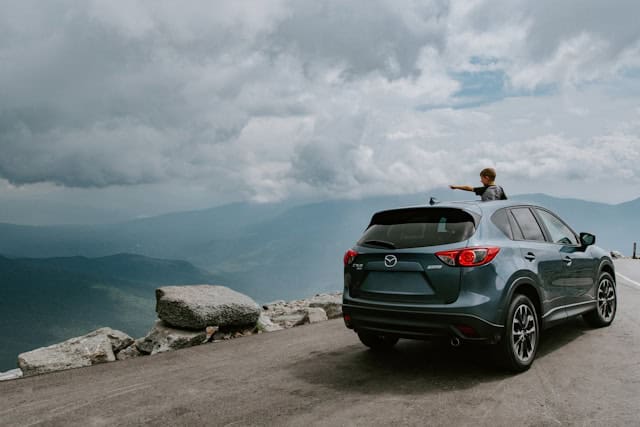
The first few seconds after noticing a problem are critical. Your priority is getting out of live traffic lanes.
-
Signal & Hazard Lights: Immediately turn on your hazard lights to warn trailing drivers that you are experiencing an emergency and slowing down.
-
Find a Secure Spot: Signal and move toward the right shoulder, an emergency pull-off, or a nearby exit/parking lot if accessible. Put as much distance as possible between your car and active traffic.
-
Set the Brake: Engage your parking brake immediately once stopped to prevent rolling.
-
Stay Inside on High-Speed Roads: If you are stranded on a busy highway shoulder, stay in your seat with your seatbelt fastened. Exiting into high-speed traffic creates a severe risk of being struck.
-
Exit Cautiously If Needed: If you must exit—for instance, if you smell smoke—always use the passenger-side doors away from traffic. Place reflective triangles or flares behind your car only if you can do so safely without stepping toward lane lines.
Step 2: Assess the Situation

Take a moment to gather basic details about what failed without taking unnecessary risks on the roadside.
-
Check Dashboard Warnings: Note illuminated icons—such as overheating gauges, oil pressure warnings, or check engine lights.
-
Scan for Visible Signs: Inspect for low/flat tires or fluid puddles.
-
Exercise Caution Under the Hood: Never open a steaming hood immediately; hot coolant systems remain under extreme pressure and can cause severe burn injuries. Wait for the engine bay to cool completely.
-
Know Your Limits: Avoid attempting complex roadside repairs near heavy traffic. Identifying whether you have a flat tire, a dead battery, or an overheating engine is enough information to pass to emergency personnel.
Step 3: Know When to Call for Support
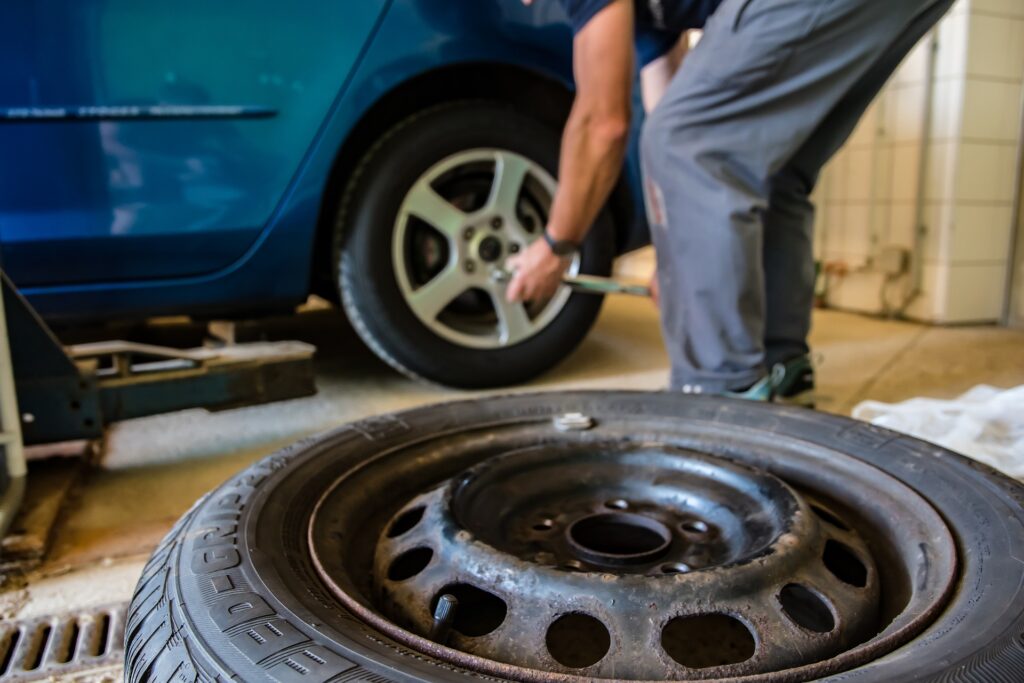
Attempting a DIY fix on a narrow shoulder is rarely worth the danger. Call professional roadside assistance immediately if:
-
You have a flat tire and lack a spare, or traffic conditions make changing it unsafe.
-
Your battery is dead, the engine refuses to turn over, or the vehicle overheats.
-
An unknown mechanical failure disables steering or drivability.
When you decide you need outside help, your best bet is to contact a service that provides professional towing and roadside assistance. These companies have the equipment and expertise to handle all sorts of problems, from simple jump-starts to towing your vehicle to a repair shop.
Many insurance policies and auto clubs offer roadside assistance benefits, so check your documents to see if you’re covered. If not, a quick smartphone search for services in your area will give you options. Relying on trained experts can help resolve the situation quickly and safely. Having a reliable contact ready can save you time and stress when you’re stranded.
Step 4: Communicate Your Exact Location
Tow dispatchers need precise information to send appropriate equipment to unfamiliar stretches of road.
What to Have Ready Before You Call:
-
Exact Location: Highway name, travel direction (e.g., I-70 West), nearest mile marker, exit number, or cross street. Use your smartphone’s map app to pin exact GPS coordinates if you are in an unfamiliar area.
-
Vehicle Identifiers: Make, model, color, and license plate number.
-
Problem Description: Clearly explain what happened (e.g., “Engine overheated, steam present” or “Rear passenger tire blew out”). Note if your vehicle is all-wheel drive, as this requires a flatbed tow truck.
-
Contact Info: Your full name and a reliable callback number.
Step 5: Wait Safely for Assistance

Waiting on the side of the road requires continued vigilance.
-
Stay Visible: Keep your hazard lights running continuously, even during daytime hours.
-
Limit Power Usage: Turn off non-essential electronics (cabin lights, radio) to conserve battery life while waiting, but keep the engine running temporarily if extreme winter or summer temperatures require cabin climate control.
-
Verify Service Personnel: Ask the dispatcher for the towing company’s name and ETA. When a truck arrives, confirm the driver’s company affiliation before unlocking your vehicle or stepping out. Avoid accepting assistance from unverified passing vehicles.
READ MORE: Ultimate Guide to Road Trip Day Trips