
Do your vacation photos all look the same these days? Another sunset, another crowded city square, another plate of food that looked way better on Instagram. Scrolling through old trips and can’t quite remember what made each one special? You might be stuck in a travel rut. It’s easy to book the same kind of trip over and over. Hoping for relaxation and adventure, but often just getting a predictable routine instead.
Most modern vacations follow a familiar script: lounging on a beach, hitting the local tourist spots, and snapping photos that look just like everyone else’s. This common feeling, sometimes called the family vacation slump, can leave you feeling uninspired and really craving a fresh escape.
While there is certainly a place for pure relaxation, standard trips can feel a bit transactional, leaving you with a tan that fades long before the memory does. Adding a historical twist to your itinerary transforms a simple getaway into an immersive journey. Instead of just passing through a destination, begin to understand the layers of culture, conflict, and creativity. Learn how that shaped the very streets you walk on, giving your time away a far richer sense of purpose.
Vacation With Historical Twist
Table of Contents

When you trade generic sightseeing for a vacaton with a historical twist, travel becomes less about checking boxes and more about real connection. Exploring ancient ruins, staying in century-old boutique inns, or learning the origin story of a local dish connects you directly to the human story of a place. It ignites curiosity, sparks incredible conversations, and turns ordinary travel photos into lasting stories you will actually want to tell.
Here are compelling reasons why injecting a little history into your next trip will ruin standard vacations for you forever—in the absolute best way possible.
Tired of the Same Old Itinerary?
Let’s be honest. How many times can you lie on a different patch of sand before all beaches start to blur together? The cycle of flying, flopping, and flying home is nice for a day or two, but it rarely creates those lasting memories that change how you see things. The same goes for those whirlwind city tours. Rusing from one monument to the next, snap a photo, and move on without really understanding what you’re looking at.
This isn’t about saying no to relaxing or avoiding famous landmarks. It’s about that empty feeling you can get after a trip that just didn’t have much substance. You did everything you thought you “should” do, but you come back feeling like you missed something important. This feeling comes from a lack of connection. When we travel without knowing the background, we’re just watching. A beautiful building is just a beautiful building.
An old street is just a way to get from A to B. We see the “what” but completely miss the “why” and the “who.” This surface-level engagement is why many vacations, despite costing a lot and being eagerly awaited, end up being forgettable. Meaningful travel can enrich our lives in ways a simple week of leisure can’t.
Pre-Planning History-Rich Getaway
A truly memorable historical trip starts long before you even pack your bags. A little planning can turn a good vacation into an amazing one. The trick is to build a sense of curiosity that will guide your explorations once you arrive.
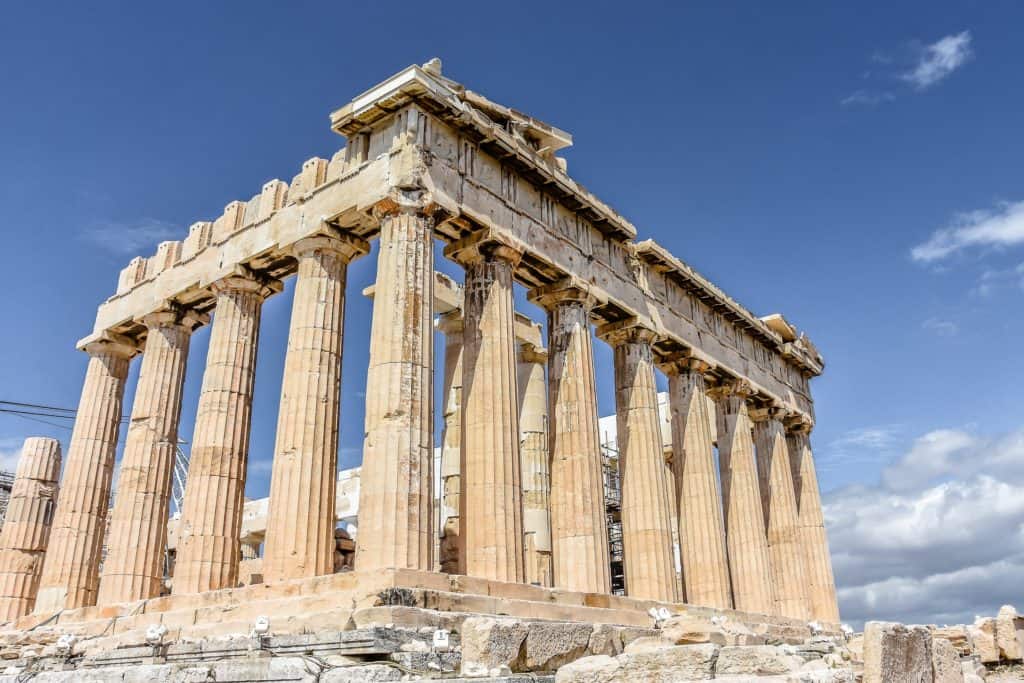
First, think about picking a theme for your trip. Instead of just “going to Italy,” you could plan a trip focused on Renaissance art and its patrons, or follow the route of ancient Roman roads. In the U.S., you could design a tour of key sites from the Civil Rights Movement or trace the journey of pioneers along the Oregon Trail. A theme gives you a story thread that connects your destinations and makes your journey feel more complete and meaningful. Read a historical fiction novel set in your destination before you fly out — and bring another novel while on your long-haul flight.
Next, do a little research before your trip. This isn’t homework; it’s about getting excited. Watch a documentary, read a gripping historical novel set where you’re going, or listen to a podcast about the era you plan to explore. This preliminary learning gives you context that will make everything you see on your trip much more meaningful. When you finally stand in front of that castle or battlefield, it will resonate much deeper because you already feel connected to its story.
Experience Destinations as Stories, Not Sightseeing Checklists
The best way to avoid a forgettable vacation is to travel with purpose, and there’s no better way to do that than by diving into a place’s past. History isn’t just about memorizing dates and names from an old textbook. It’s all the human stories that give a place its unique personality, its very soul. It’s the drama, the new ideas, the struggles, and the victories that have shaped the world we live in today.
Once you start looking for these stories, the place you’re visiting completely transforms. That cobblestone street isn’t just bumpy pavement anymore; it’s the same path where revolutionaries planned a new nation or where merchants from far-off lands traded their goods. The quiet town square becomes the stage for huge events that changed local, or even world, history. Suddenly, you’re not just a tourist; you’re a time traveler, connecting with the generations who walked these streets before you.
You don’t need a history PhD to get started. All you need is curiosity. Today, technology makes it easy to uncover a destination’s hidden layers. A simple tool like an interactive history map can turn your smartphone into a window to the past, showing you historical sites, forgotten events, and amazing stories all around you, often in spots you would have just walked right past. This small change in how you approach things turns a casual stroll into a captivating adventure.
When you visit a location solely for its visual appeal, it’s easy to drift into passive sightseeing. But when you lean into its history, every building, alleyway, and plaza becomes part of an unfolding narrative.
-
Context changes everything: Walking through a grand European square feels entirely different when you know it was once a bustling medieval marketplace or the site of a revolution.
-
Depth over distance: History invites you to slow down and appreciate where you are, rather than rushing across town just to snap a photo of a monument you know little about.
Food, Art, and Culture

Culture doesn’t happen in a vacuum—it is shaped by centuries of trade routes, climate shifts, and historical migrations. Focusing on history allows you to taste and see a destination through a much clearer lens.
-
Culinary heritage: Understanding why certain spices define a region’s cuisine or why a specific pastry exists unlocks a whole new level of appreciation for local dining.
-
Architecture with purpose: A city’s skyline becomes a visual timeline, showing you how different eras, rulers, and movements shaped the skyline over hundreds of years.
Say No to Crowded Tourist Traps
The most famous landmarks are often overrun with crowds, long lines, and overpriced souvenirs. Taking a historical angle opens the door to lesser-known, deeply meaningful alternatives that most tourists overlook.
Pro Tip: Instead of spending hours in line at a city’s mega-attraction, look for preserved historical quarters, local heritage museums, or historic walking tours led by local historians.
You’ll enjoy a much more peaceful experience while discovering hidden gems that offer a far more authentic glimpse into the soul of the region.
Read More: How to Travel Like a Local (And Avoid Tourist Traps)
Choose Historic Accommodations
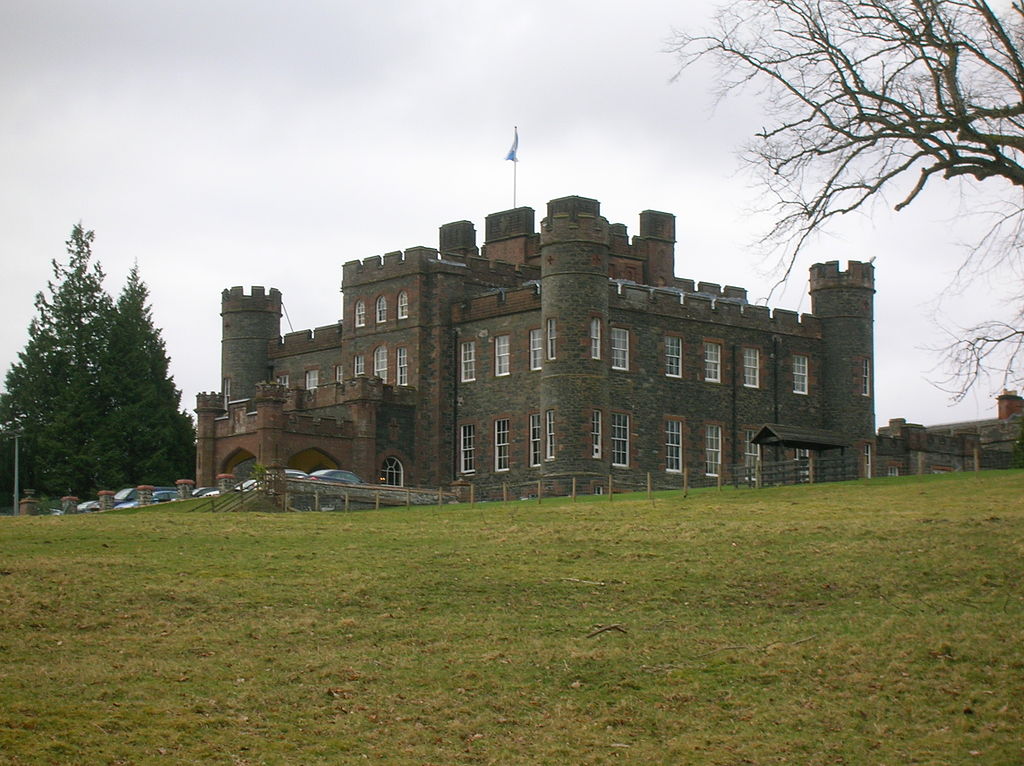
Why stay in a cookie-cutter hotel chain when your lodging can be part of the adventure? Adding a historical twist to your trip extends to where you lay your head at night.
-
Choose a converted 18th-century manor, a restored castle, or a boutique inn nestled in a historic district.
-
Enjoy unique architectural character, vintage decor, and personal hospitality that standard modern hotels simply can’t match.
Read More: Historic Hotel Reviews at Hotel-Scoop.com
Return Home with Unforgettable Stories, Not Just Souvenirs
A cheap trinket might end up tucked away in a drawer, but a great story stays with you forever. History-rich travel equips you with fascinating anecdotes, unique insights, and a broader perspective on the world.
Instead of returning from a trip simply feeling “refreshed,” you’ll return feeling enriched. You’ll have a deeper understanding of human history and a collection of meaningful experiences that make for incredible dinner-party conversation.
Interactive Vacation with Historical Twist

When you explore history on your travels, it should be an active, hands-on experience, not just something you observe. Forget those stuffy museums with velvet ropes and endless “Do Not Touch” signs. The best historical travel gets you involved and sparks your senses.
- Take a Themed Walking Tour: Go beyond the usual city overview and find a tour focused on a specific part of local history. This could be anything from a food tour exploring old recipes to a literary walk following in the footsteps of a famous author. Many cities also have great self-guided tours you can do at your own pace. This is the perfect kick-off to add history to your vacation and get a lay of the land.
- Visit a Living History Museum: These aren’t your typical museums. Places like Colonial Williamsburg in Virginia or the Plimoth Patuxet Museums in Massachusetts bring history to life with actors in costume who re-create daily life, crafts, and even the way people spoke in a certain era. You can interact with historical interpreters and ask them questions, which gives you a fascinating peek into the past.
- Sign Up for a Historical Workshop: What better way to understand a culture than by learning one of its traditional skills? Look for classes where you can try your hand at old crafts like pottery, weaving, or blacksmithing. Or, take a cooking class that teaches you recipes passed down through generations.
- Stay Somewhere with a Story: Skip the generic hotel chain and book a room in a historic inn, a restored castle, or a centuries-old farmhouse. Waking up in a place steeped in history adds a unique layer to your whole experience.
By shifting your mindset just a little, your next vacation won’t just be a getaway—it will be a journey through time.